
Fill in the form below with your contact details and a short note, and we will prepare a quote for Chimney Flashing Services Burnaby
Plenty of people only think about their chimney when the first cool evening arrives and they want a fire. Others notice a problem in spring after a wet stretch of weather. Either way, a search for “chimney flashing services” usually starts with a simple question: does this need fixing now? Here you will find practical answers about chimney flashing repair for homes in Burnaby, including what the work involves, how long it takes and how to keep the chimney sound afterward.
It depends on the damage, so the safe default is to hold off until someone has looked at it. Cosmetic problems on the outside, such as a stained brick face, rarely affect how a fireplace works. Damage inside the flue, a cracked liner, a damper stuck shut or a blocked vent is different, because smoke and hot gases may not leave the house the way they should. If you notice smoke spilling into the room, a strong smell or soot where there was none before, stop using the fireplace. Keep working carbon monoxide alarms on every level of the home either way.
Yes, and that is why a careful diagnosis matters. Water stains beside a chimney can come from a cracked crown, a missing cap, porous brick, damaged shingles or roof vents nearby, ice dams in cold weather or even condensation in the attic. Flashing is a common culprit, but replacing it will not stop a leak that starts elsewhere. A technician can test areas one at a time and look at the attic side for the wettest spot. Anyone looking into “chimney flashing services” should ask how the company confirmed the flashing is the source before agreeing to replace it.
A leaking chimney almost always has one of a few causes: a missing or damaged cap, a cracked crown, failed flashing where the chimney meets the roof, or porous bricks and mortar soaking up rain. On factory-built chimneys, a rusted or flat chase cover is a frequent culprit. Water may show up far from where it enters, running along the flue or the framing before it appears as a stain. Note when the leak happens, whether in every rain or only when wind blows from one direction, and where you see it. Those details help narrow down the source quickly.
Bad chimney flashing usually shows up as water stains on the ceiling or walls next to the chimney, damp attic framing or wet insulation around the chimney’s base. Flashing is the metal that seals the joint between the roof and the chimney, and it fails when sealant dries out, fasteners back out, metal rusts or roofing work disturbs it. From the ground, look for metal that has pulled away from the brick, gaps smeared with a thick bead of tar or caulk and missing or lifted shingles around the chimney. Leaks often appear first during heavy, wind-driven rain.
A cricket, also called a saddle, is a small peaked structure built on the uphill side of a chimney so rain and snow split and flow around it instead of piling up against the brick. It is framed, sheathed and covered with metal or roofing, then tied into the flashing. Wide chimneys and chimneys on low-slope roofs benefit most, because water and debris collect behind them. Signs that one is missing include leaves packed behind the chimney and leaks that appear on the uphill side. If you are comparing quotes for “chimney flashing services”, ask whether a cricket is included or recommended.

Chimney flashing is repaired by resealing it when the metal is still sound or by replacing it when it is rusted, bent or installed incorrectly. Resealing means cleaning out failed caulk and applying a new flexible sealant where the counter-flashing meets the brick. Replacement involves lifting the surrounding shingles, fitting new step flashing piece by piece, cutting a groove into a mortar joint for new counter-flashing and sealing it in. Wide chimneys may also get a cricket, a small peaked diverter on the uphill side that steers water around. Sealant alone is a short-term fix when the metal underneath has failed.
We suggest once a year for most chimneys, with extra visits after anything unusual. A yearly look from the roof and up the flue shows us how earlier repairs are holding and whether anything new has appeared. Events that justify an extra check include a strong windstorm, hail, a lightning strike nearby, a roofer working around the chimney and any time an appliance is added or swapped. A chimney you never use is not exempt; some of the worst weather damage we find is on chimneys nobody has looked at in years, simply because no one noticed the warning signs inside.
The repairs we make hold up longest when the rest of the chimney system is looked after too. That means a cap that stays in place with clear mesh, a crown kept free of leaves and moss, flashing left alone by anyone doing roof work and regular sweeping if you burn wood, because creosote and moisture attack the inside of the flue. We tell homeowners exactly how long to wait before the first fire after masonry work. After that, a glance at the chimney from the yard after big storms and a professional look once a year usually keeps surprises to a minimum.
A local company is often the practical choice because it knows the housing styles, roof types and weather your chimney deals with. Builders in the same area often used similar chimney designs, so a nearby crew may already know where yours is likely to fail. Local service also makes it easier to schedule follow-up visits, check a repair after the first big storm or answer a question months later. Before booking, confirm the company works in your area with its own crew, and ask how it handles return visits if something needs adjusting.

Kids, pets and work schedules all matter when someone visits your home. Let us know what to work around and we will plan the appointment to match. Choose a time for chimney flashing repair anywhere in Burnaby.
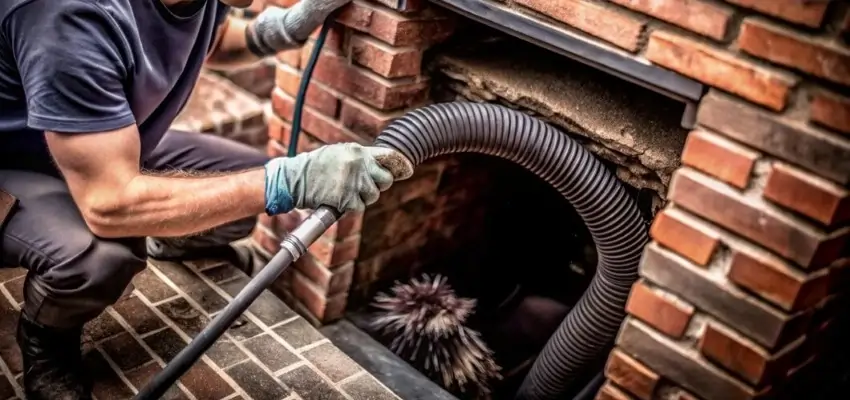
Brush, vacuum, inspect: how Chimney Cleaning works for Burnaby fireplaces
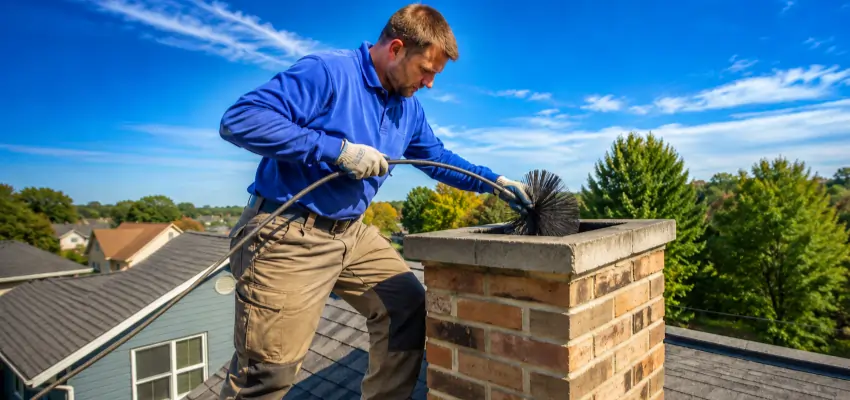
Your Burnaby fireplace, swept and checked: Chimney Sweep
What's included in Chimney Sweep Services around Burnaby?
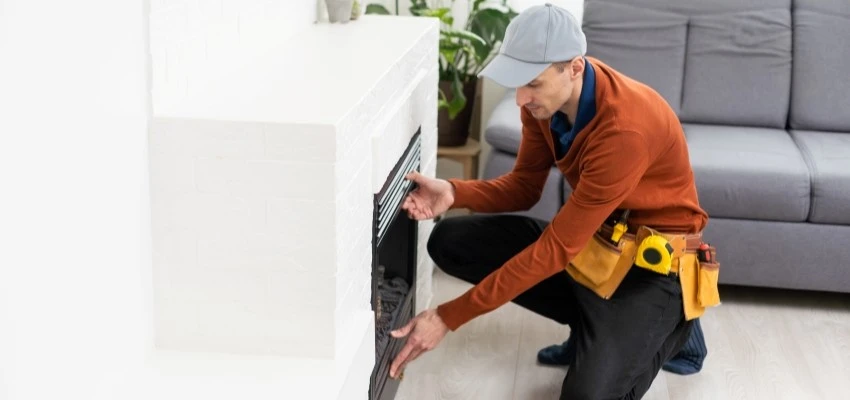
Before relighting in Burnaby, a visit from Fireplace Experts
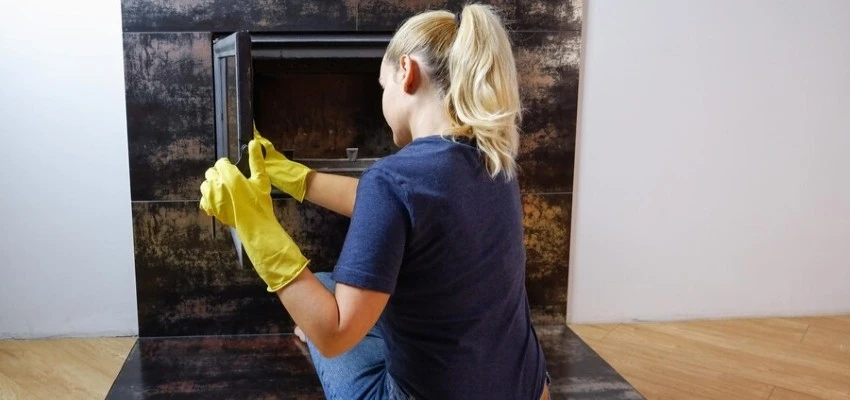
Glass cleaned without scratches: Gas Fireplace Cleaning
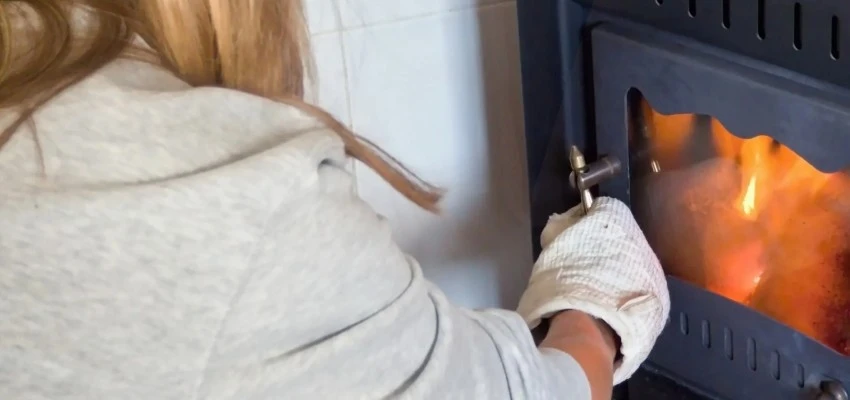
Logs, embers and vent cap included in Gas Fireplace Maintenance

