
Fill in the form below with your contact details and a short note, and we will prepare a quote for Chimney Flue Services Burnaby
Most chimney visits are about sweeping, but some homes need something more specific: a flue that no longer suits the fireplace, a pot that has worked loose, a new factory-built chimney or brickwork that soaks up every storm. If you searched for “chimney flue services”, the answers below cover chimney flue service for homeowners in Burnaby in plain terms, including what the job involves, how long it takes and what to ask before anyone starts.
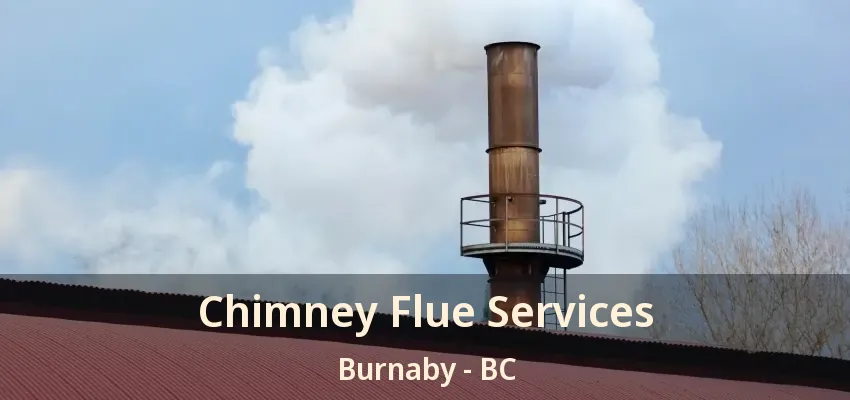
A chimney works by letting hot exhaust rise through a sealed channel, the flue, and leave the house above the roofline. Warm gases are lighter than the cooler air outside, so they rise, and that rising column pulls fresh air into the fire behind it. This pull is called draft. Height helps, because a taller flue creates a stronger pull and clears nearby roof surfaces. Size matters too: a flue that is too large for the appliance cools the gases and weakens draft, while one that is too small cannot carry all the exhaust. Anything that blocks or leaks along the path disrupts the balance.
As a rule, no. A fireplace or wood stove should have a flue of its own, because connecting a second appliance can upset the draft of both and let exhaust spill into the house. Some homes have a furnace and water heater joined into one flue through a purpose-designed connector, which is a separate case that a qualified technician should confirm. If you are unsure what is connected to each flue in your chimney, a chimney flue service visit can map it from the roof and the basement. Never add a new appliance to an existing flue without having it checked first.
Heat shock, moisture and settling cause most cracked tiles, and the pattern on camera tells us which one was at work. Vertical splits running several tiles high usually point to a chimney fire, sometimes one the owners never noticed. Crumbling or flaking surfaces suggest moisture and acidic condensation, often from a gas appliance venting into an unlined or oversized flue. Offset tiles and open joints tend to come from settling or poor original mortar. Knowing the cause matters, because it decides whether patching a few tiles is enough or the flue needs a new liner, and what to change so the new work lasts.
By resurfacing, relining or, near the top, replacing tiles, depending on what the camera shows. A few hairline cracks or open joints in an otherwise sound flue can often be resurfaced with a refractory coating, applied from top to bottom and checked on video afterward. Broken, shifted or missing tiles usually call for relining: a stainless liner sized to the appliance and dropped inside the old flue, or a poured liner that fills and seals the gaps. Pulling out tiles lower down is rarely practical. Whatever the method, we show you before and after footage so you can see what changed.
A camera inspection shows the inside of the flue from top to bottom, which is the only way to see most flue damage. The technician feeds a small camera on a flexible rod up or down the flue and watches the image on a screen, often recording it. The footage reveals cracked or missing tiles, gaps at the joints, creosote buildup, blockages such as nests and the condition of any metal liner. Many companies share the video or still images with you. If you are comparing offers for “chimney flue services”, ask whether a camera check is included before any repair is quoted.

We recommend once a year for most homes and treat it like any other seasonal service. The yearly visit lets us see how repairs, repellents, pots or new liners are holding up and catch small issues while they are cheap to fix. We suggest an extra look after high winds, hail or lightning nearby, after any chimney fire and when an appliance is added or swapped. Homes that burn a lot of wood may need sweeping more than once a season. Keeping a simple log of dates and findings makes it easy to spot trends over time.
We need three things from you: a cold appliance, a clear path and good information. Cold means no fire or stove use for a day or so, so we can work in the flue safely. A clear path covers the hearth, the route through the house and the ground where ladders go. Good information includes gate codes, where the attic hatch is, any pets at home and anything fragile on the roof, such as skylights. With those sorted, setup goes quickly and the crew can spend its time on the chimney rather than moving patio chairs.
Follow the crew’s instructions about when the fireplace or stove can be used again, since new mortar, coatings or liners may need time. In the weeks after, watch for any stains, drafts or smoke that seem new. Keep the area around the chimney top clear by trimming branches and cleaning nearby gutters. If you burn wood, use dry, seasoned firewood and have the flue swept regularly, which protects liners and tiles. Book a yearly inspection, and keep receipts and photos from the work so future technicians know what was done.
We would hire the company that asks the most useful questions. A contractor who knows chimneys wants to know the material, the height, the appliances and the history before naming a figure. On site, it should go up, look inside the flue and come back with photos. It should tell you what it will not do as clearly as what it will. Ask how it handles surprises mid-job and who will be on the roof. Companies that work in your area every week can also tell you what tends to fail on homes like yours, which is useful insight in itself.

A quote is easier to trust when it is based on your actual home. Share the basics, such as the type of home and what prompted the call, and we will explain what chimney flue service would involve. Ask for your quote here, with no obligation to book.
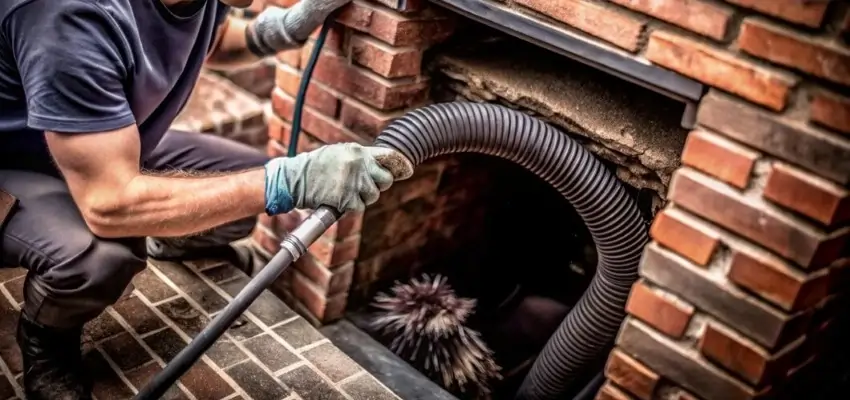
Brush, vacuum, inspect: how Chimney Cleaning works for Burnaby fireplaces
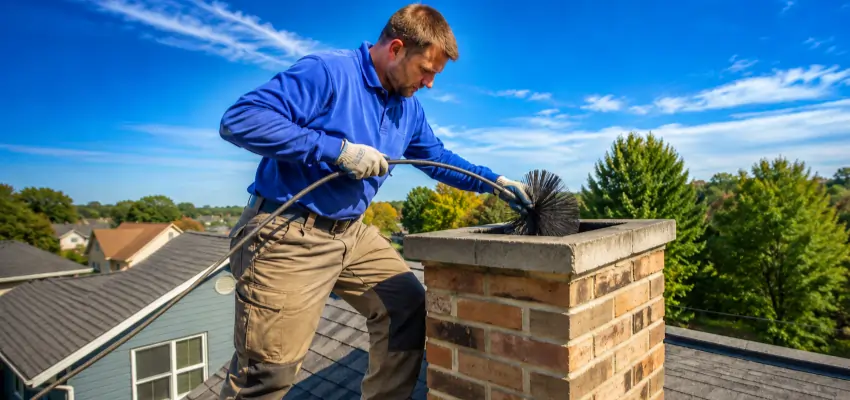
Your Burnaby fireplace, swept and checked: Chimney Sweep
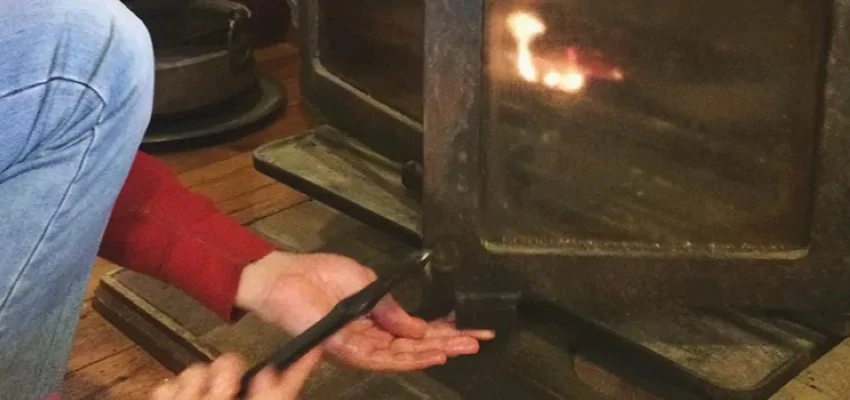
What's included in Chimney Sweep Services around Burnaby?
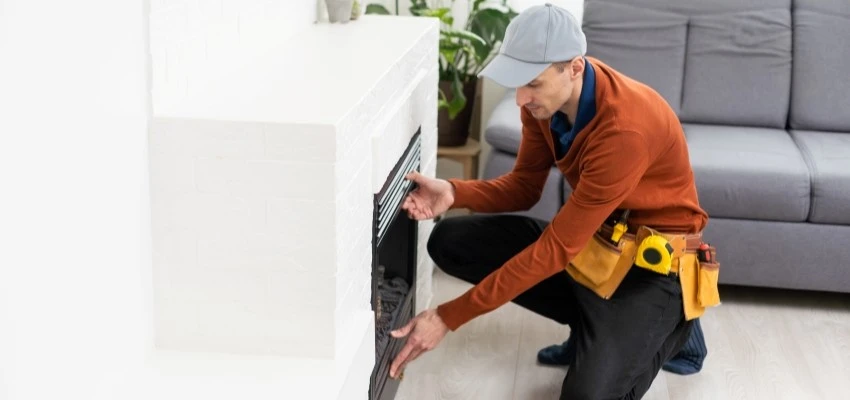
Before relighting in Burnaby, a visit from Fireplace Experts
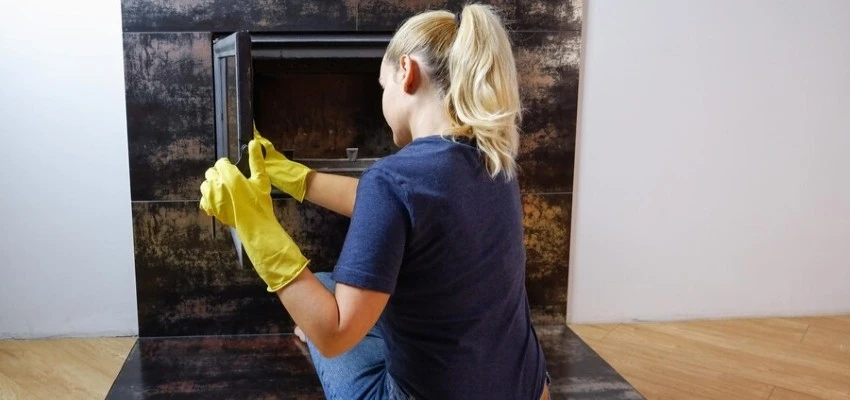
Glass cleaned without scratches: Gas Fireplace Cleaning
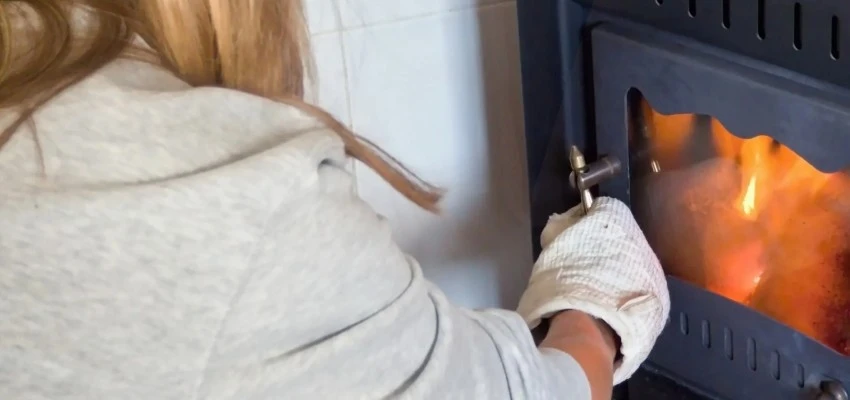
Logs, embers and vent cap included in Gas Fireplace Maintenance

