
Fill in the form below with your contact details and a short note, and we will prepare a quote for Chimney Nest Removal Burnaby
Heating season has a way of arriving all at once, and so do the calls to chimney companies. Reading up early, as you are doing by searching “chimney nest removal”, gives you time to plan instead of scramble. Here are clear, practical answers about chimney nest clearing for properties around Burnaby, each one short enough to read before you pick up the phone and specific enough to be useful once you do.
Gas leaves far less buildup than wood, so a chimney serving only gas needs much less cleaning, but it still needs a regular check. Creosote is rarely the issue. The risks are different: nests, leaves and fallen debris can block the opening, and the water vapor in gas exhaust can wear down masonry and old liners over time. A blocked or damaged flue can push carbon monoxide back indoors, so keep working CO alarms on every level. Leave burners, valves and pilots to a qualified gas technician, and if you ever smell gas, leave the building and call your gas utility from outside.
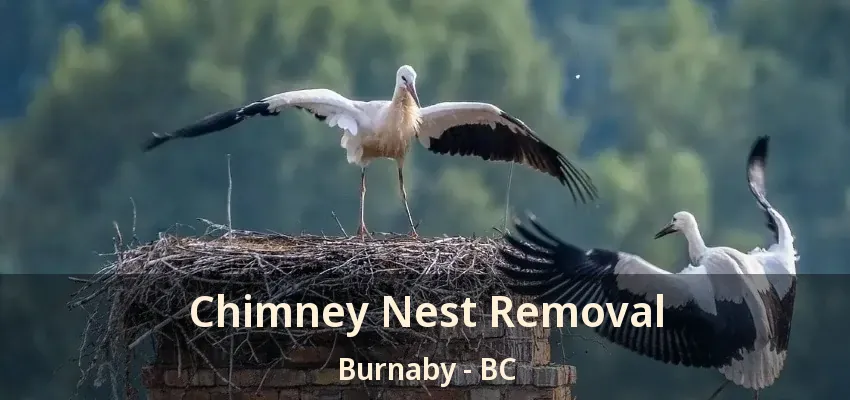
Yes, a nest made of dry twigs, grass and feathers can ignite from heat or sparks, and it can also block the flue enough to send smoke back into the room. That is why a fire should never be lit when you suspect a nest above the damper. Signs include twigs falling onto the grate, chirping or fluttering sounds and a smell of droppings. If you notice any of these, keep the damper closed. Some birds that nest in chimneys are protected, so an active nest stays in place until the young have flown; after that, arrange “chimney nest removal” before the next fire, along with a sweep and a check that the cap is in place.
Sound is usually the first clue, and the kind of sound tells us a lot before we even climb the roof. A high chirping that grows louder over a few weeks often points to a brood of young birds. Heavier thumps and chattering at night suggest a raccoon, often a mother using the smoke shelf as a den. Frantic scratching that never seems to move upward usually means a squirrel has fallen in and cannot climb the slick liner. On site we also look for droppings and nesting material at the damper, and for fur, claw marks or bent mesh around the cap.
Old nests are often harder to remove than fresh ones because they have been packed down, dried out and sometimes coated with soot. The technician usually breaks the material apart from below with hand tools or a rotary head, while a vacuum collects the debris before it reaches the room. Nests built higher in the flue may be pulled down from the roof. Once the bulk is out, the flue is swept and checked with a camera for leftover material wedged at ledges or joints. A careful “chimney nest removal” job also confirms the damper plate moves freely afterward.
Animals are removed humanely by giving them a safe way out rather than forcing them, and by keeping mothers and their young together. Depending on the animal, that may mean waiting until young birds have left the nest, fitting a one-way exit at the top so a squirrel or raccoon can leave but not return, or carefully lifting out a trapped animal and releasing it outdoors. Never light a fire or burn anything to drive an animal out, since it can trap the animal, ignite the nest and fill the house with smoke. Once the chimney is empty, the nesting material is cleared and a cap goes on.

The cost of getting an animal out of a chimney depends mostly on what the animal is, how many visits it takes and what has to be repaired or added afterward. A single trapped bird or squirrel can often be handled in one trip, while a raccoon family or nesting birds may need a one-way door, return visits or a wait before the nest can come out. Clearing a large nest, sweeping the flue and deodorizing add time. A new cap or damper repair is usually priced separately. Ask for a written quote that separates removal, cleanup and parts so you can see where the cost comes from.
Until help arrives, keep the damper and fireplace doors shut, keep children and pets away and leave the animal alone. Opening the damper can let a frightened bird, bat or squirrel into the house. Do not light a fire, pour water down the flue or try to grab the animal. If a bird or squirrel gets inside, close the interior doors, open a window or exterior door in that room and let it find its way out. If it is a bat and anyone may have touched it or was asleep in that room, keep the room closed and ask your local public health office for advice before letting it go. Tell the company you call what you have heard and when.
A chimney often smells after an animal leaves because droppings, urine and old nesting material soak into brick and mortar, and humid weather keeps releasing that odor. If an animal died in the flue or on the smoke shelf, the smell is stronger still until the remains are removed. Clearing every bit of debris, sweeping the flue and applying a deodorizing product made for chimneys usually brings it under control within days. Keep the damper and any glass doors closed meanwhile. If a strong smell persists after cleanup, ask for a camera check, since material can stay hidden on ledges higher up.
A sturdy chimney cap with mesh sides is the surest way to keep animals out, combined with a damper that stays closed whenever the fireplace or stove is not in use. The cap should fit the flue snugly and be firmly fastened, because raccoons can pry off loose covers. Have branches that overhang the roof trimmed back, since they give squirrels and raccoons an easy route to the chimney. Look at the cap from the ground after strong winds. If an animal has already been inside, have the nesting material and droppings cleaned out before the next fire, and ask whether any gaps around the crown need sealing.

A recent look at the parts of a home buyers ask about can make a sale go more smoothly. We can fit chimney nest clearing around showings, inspections or move-in dates. Tell us your timeline and we will plan around it.
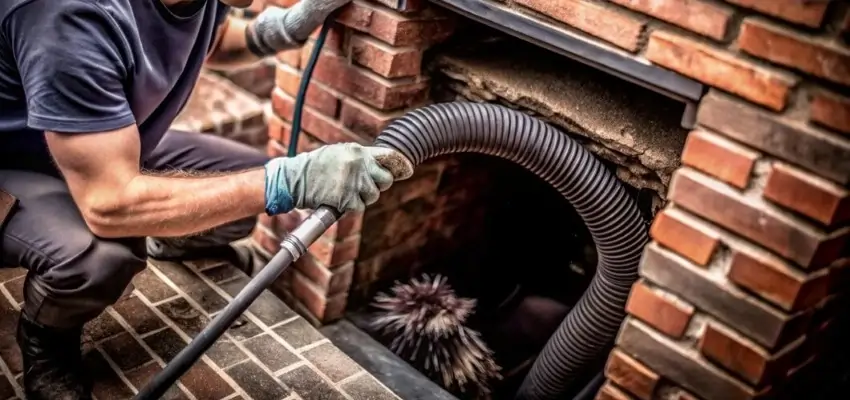
Brush, vacuum, inspect: how Chimney Cleaning works for Burnaby fireplaces
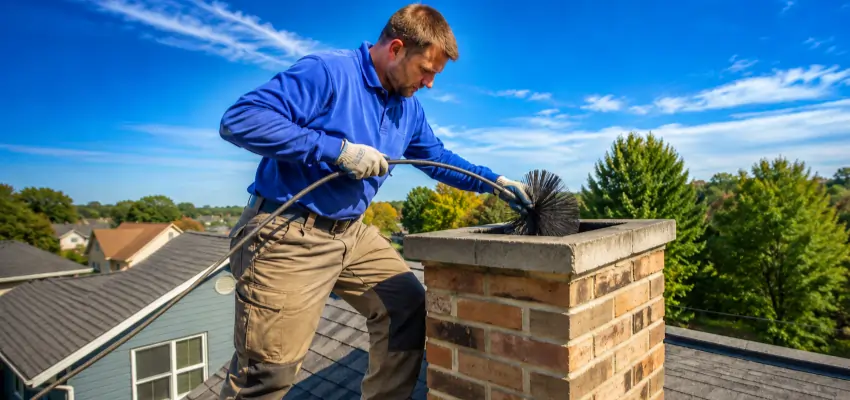
Your Burnaby fireplace, swept and checked: Chimney Sweep
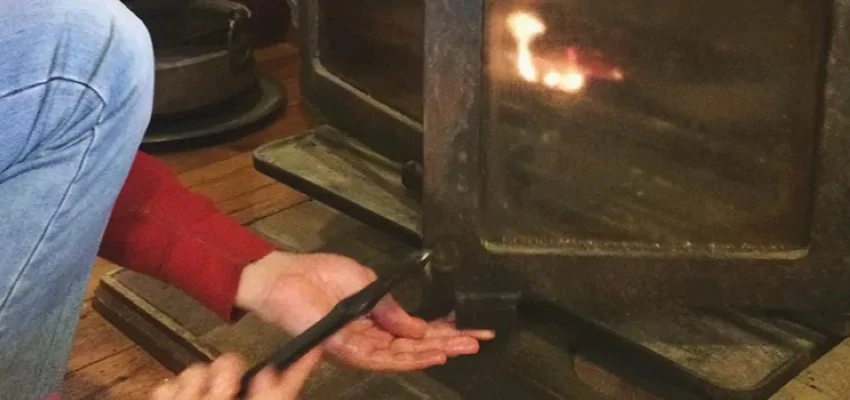
What's included in Chimney Sweep Services around Burnaby?
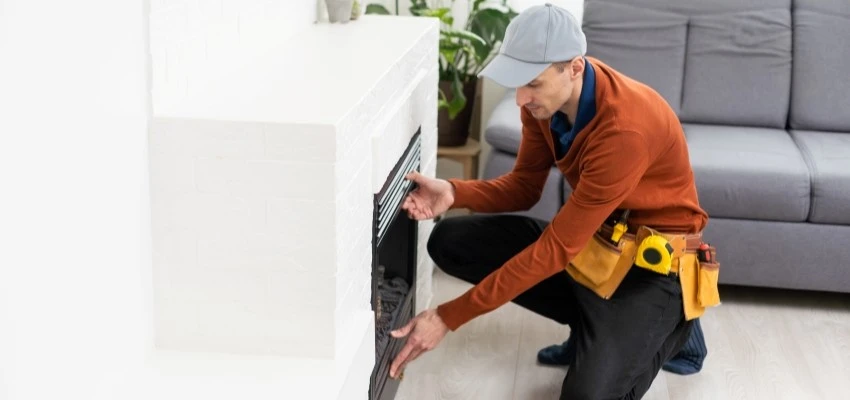
Before relighting in Burnaby, a visit from Fireplace Experts
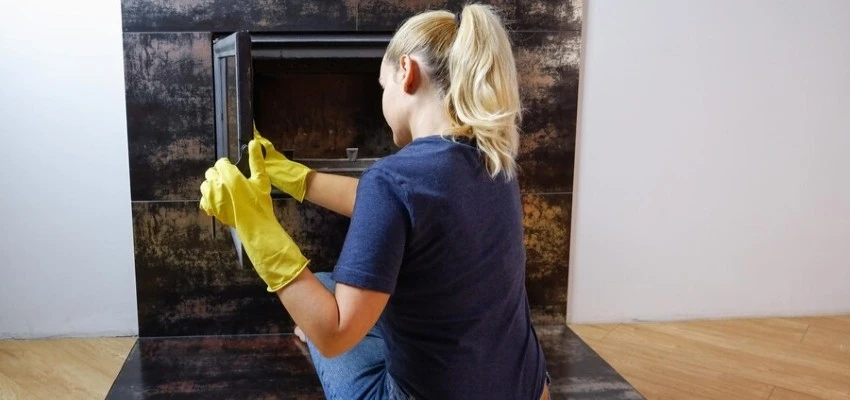
Glass cleaned without scratches: Gas Fireplace Cleaning
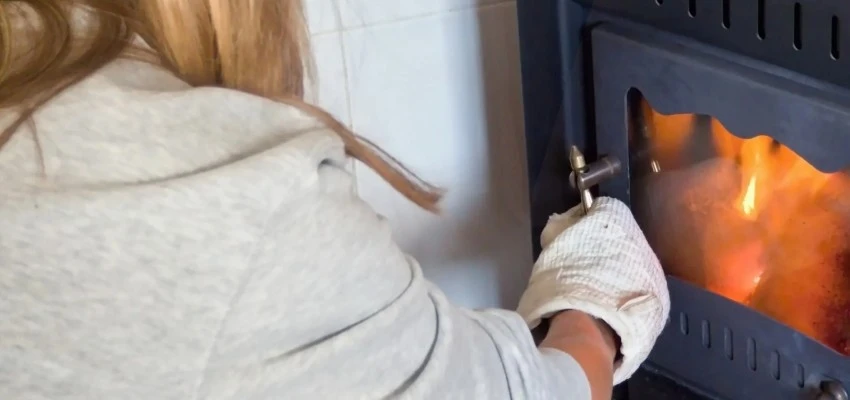
Logs, embers and vent cap included in Gas Fireplace Maintenance

