
Fill in the form below with your contact details and a short note, and we will prepare a quote for Dryer Vent Cleaning Burnaby
Few machines in a household run as often as the clothes dryer, yet almost nobody gives a thought to the pipe that carries its exhaust away. Every load sends warm, wet air and a little fluff through that hidden route, and as lint narrows it, cycles drag on and the cabinet heats up. If a search for “dryer vent cleaning” led you to this page, it walks through how dryer vent service works for an ordinary home in Burnaby, from the first phone call to the test run at the end.
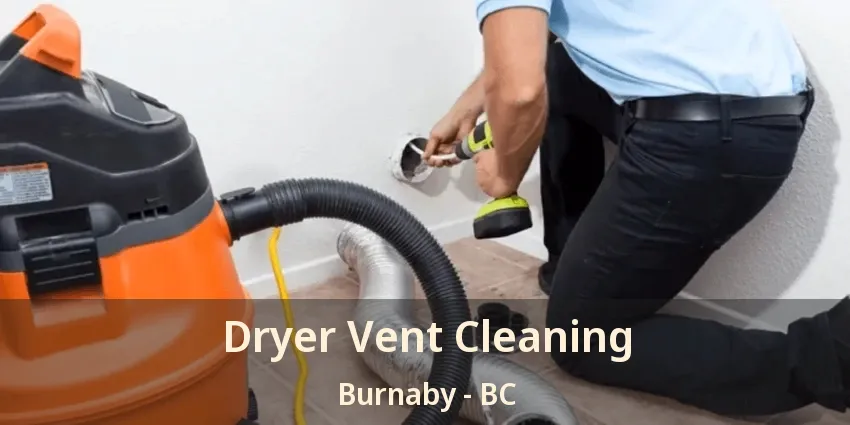
It can. Lint is light, dry and burns easily, and a clogged vent traps both lint and heat close to the dryer’s heat source. Dryers have safety switches that cut the heat when temperatures climb too high, but those parts can wear out, and a blocked vent makes them trip far more often. The risk for any single home is modest, yet it is real enough that keeping the vent clear is widely recommended. Empty the screen every time you use the dryer, avoid running it when nobody is home and have the vent cleaned if drying times are getting longer.
Not in the usual sense, because a ventless dryer has no duct to the outdoors. Condenser and heat pump models cool the moist air inside the cabinet, collect the water in a container or send it to a drain and reuse the dried air. They still need care, though: the lint screen after every load, plus a second filter or a condenser unit that has to be rinsed or brushed as the manual describes. If you are reading about “dryer vent cleaning” and are not sure which type you own, look behind the machine. A round outlet with a hose attached means it is vented; no outlet at all means it is not.
The pattern we hear most is a dryer that used to finish a load in one cycle and now needs two. That change happens gradually, so people adapt without noticing. Other things we look for on arrival: a scorched-dust smell near the machine, a top panel that is hot to the touch and a weak puff of air at the exterior opening. Sometimes the dryer shuts off mid-cycle because its overheat protection has tripped. When several of these show up at once, the vent is almost always involved, and clearing it is the first fix to try.
They are cleaned the same way as any other dryer vent, but attached homes give us the most interesting routes. Stacked laundry closets, ceiling runs that cross a hallway and exits through a balcony wall are all common, and access shapes the plan. We often clean from the unit side only when the outside hood is out of reach, and for upper floors we may need the building to open a roof hatch or arrange a lift. In townhouses, the duct sometimes runs under a floor or above a garage ceiling. We always confirm where the termination is before we start pushing lint toward it.
Yes, though usually less often than a long one. A vent that goes straight through the wall behind the dryer carries lint out efficiently, so the duct itself may stay fairly clear. The weak points simply move: the connector behind the machine gets crushed when the dryer is pushed back, and the outside hood collects fluff where the air slows against the flap. Short vents near ground level are also easy targets for nesting birds. Glancing at the flap every few months and booking dryer vent service when drying times creep up keeps a short run working well without paying for visits it does not need.

The cost of work on a dryer vent depends mostly on how hard the vent is to reach and how much it needs. The main factors are the length of the run, the number of bends, where it exits (a ground-level wall vent is simpler than a roof or a second-floor wall) and how long it has been since the last cleaning. Repairs add to the total, such as replacing a crushed hose, fixing a disconnected joint or installing a new hood. A quote that lists exactly what is included makes it easier to compare companies fairly.
Yes, someone usually needs to be home for dryer vent cleaning, since most of the work happens indoors at the dryer. An adult who can let the technician in, point out the laundry area and answer a question or two is enough. Plan to be around at the end as well, when the dryer is reconnected and tested and the results are explained. If you cannot be there, ask whether a family member, neighbor or property manager can stand in. For rental homes in Burnaby, landlords often arrange access with tenants ahead of time so nobody is caught off guard.
You can handle part of the job yourself, but most homes benefit from a professional cleaning of the full vent. Safe DIY tasks include emptying and washing the lint screen, vacuuming the screen slot, wiping lint off the outside hood and checking that the flap opens. Brush kits from a hardware store can work on a short, straight vent you can reach from both ends. Long runs, roof exits, gas dryers and vents hidden in ceilings are better left to a technician with longer rods and stronger vacuums. Leaf blowers tend to scatter lint and push clumps deeper rather than remove them.
A local company is often the practical choice for dryer vent cleaning because it knows the homes in your area. Builders in the same neighborhoods tend to use similar vent routes, so a technician who works nearby has probably seen your layout before. Local service also makes scheduling easier and follow-up simpler if you have a question after the visit. Before booking, confirm that the company actually works in your area rather than passing the job to someone else, and ask for a clear arrival window. A short drive often means more flexibility on appointment times.

Our technicians work in homes across Burnaby and the surrounding area. When you reach out, we confirm a convenient arrival window, explain what the visit includes and answer any last questions before anyone arrives. Pick a time that suits you and we will take it from there.
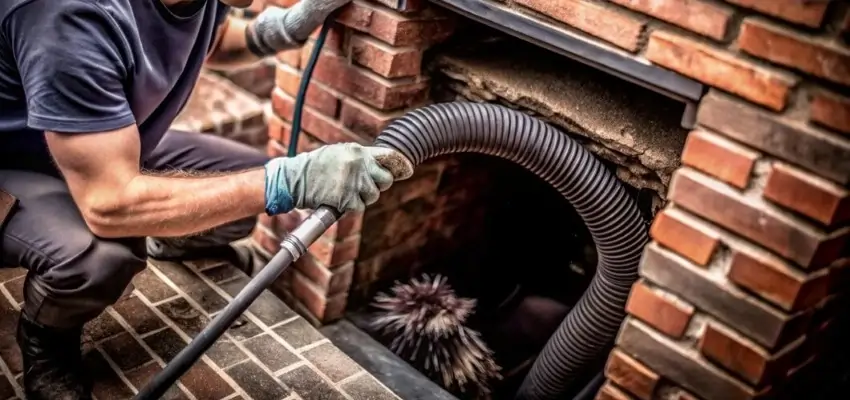
Brush, vacuum, inspect: how Chimney Cleaning works for Burnaby fireplaces

Your Burnaby fireplace, swept and checked: Chimney Sweep
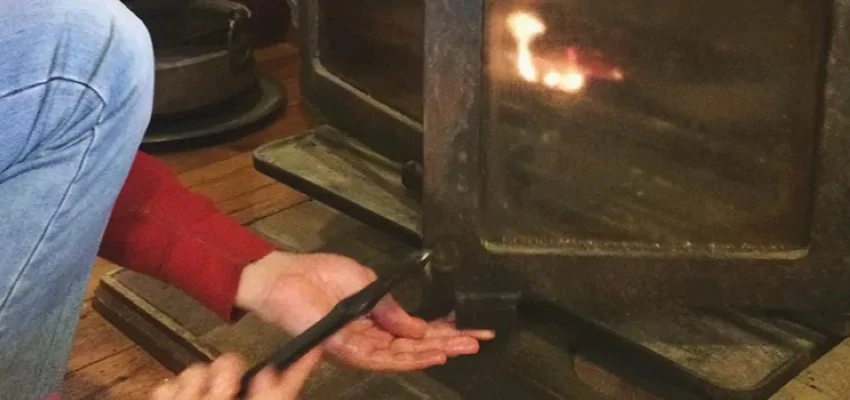
What's included in Chimney Sweep Services around Burnaby?

Before relighting in Burnaby, a visit from Fireplace Experts
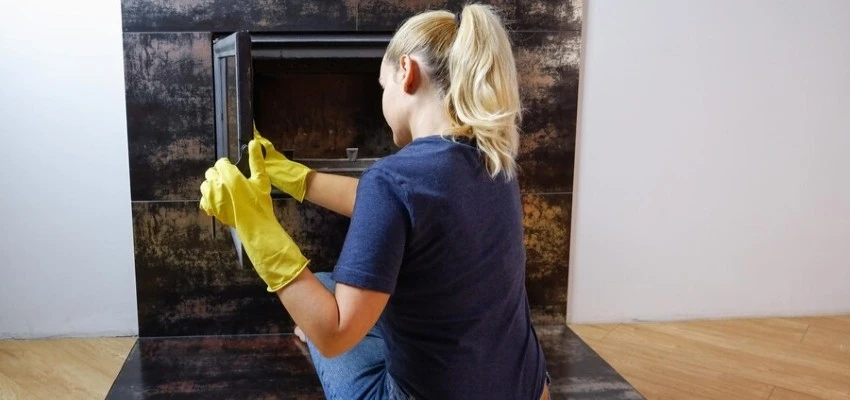
Glass cleaned without scratches: Gas Fireplace Cleaning
Logs, embers and vent cap included in Gas Fireplace Maintenance

