
Fill in the form below with your contact details and a short note, and we will prepare a quote for Fireplace Rebuild Near Me Burnaby
Short on time? The essentials of fireplace rebuilding fit on a single page, and this is it. Each answer opens with the direct reply and then adds the practical detail homeowners in Burnaby tend to need: what causes a problem, what a visit fixes and what you can do between visits. If “fireplace rebuild near me” is what you typed, start with the questions closest to your situation and skip the rest.
Our rule of thumb is to repair what is wearing and replace what is failing. Worn parts are expected after many fires: joints that need repointing, a damper handle that seized, a door rope that no longer seals. Failing parts are another matter. A stove top cracked from overfiring, a prefabricated firebox with burned-through panels and no parts available, or a chimney that needs rebuilding along with the fireplace all push the math toward replacement. Some owners of old masonry fireplaces choose a wood insert instead, which reuses the chimney while giving a tighter, more controllable fire.
The signs that matter most are small physical changes: a brick that wobbles, crumbs of mortar on the hearth, a damper that needs a shove or a stain where none used to be. When homeowners call about one of those, we usually find it connects to something larger, such as rain entering through a cracked crown or heat slowly eating at the joints of the back wall. Gaps in the firebox matter most, since they can let heat reach the framing behind the masonry. Catching these early keeps the fix to a patch rather than a rebuild.
A rebuild makes sense when patching would only buy a little time, and the telltale picture is easy to recognize: open joints across the back wall, bricks that shift when pressed and old repair mortar flaking away in layers. The work starts with careful demolition, taking out the damaged firebrick while protecting the damper and smoke chamber above. We check the masonry behind for heat damage, then set new firebrick with thin joints of refractory mortar, keeping the original shape so the fire draws as before. Factory-built fireplaces are different: they use refractory panels, replaced with parts made for that unit.
Repair quotes differ mostly because of scope, materials and access. Scope is the big one: replacing a damper handle and rebuilding a back wall are very different jobs. Materials matter because refractory mortar, firebrick and heat-rated tile are not the same as everyday masonry supplies, and matching a decades-old surround takes searching. Access matters when the problem sits high in the chimney or above a steep roof. When two quotes are far apart, one company is often fixing only the visible symptom while the other also fixes the cause. Asking each to explain what they found usually clears it up.
Mortar and masonry need suitable conditions to set properly, and roof work needs safe footing. Indoor firebox work is less affected, but materials still cure more slowly in a cold house, and the first fire must wait until they have. Crown and chimney-top repairs need dry weather without freezing temperatures for the mix to cure, and wind or ice can stop roof work altogether. Local companies that handle “fireplace rebuild near me” requests plan around the seasons in Burnaby, often booking exterior work for milder months and interior rebuilds whenever it suits you.

Fireplace repairs range from a single visit to several days, and the hands-on time is often shorter than the waiting around it. Replacing a damper or a few firebricks fits into one appointment. A full firebox rebuild or crown repair may take a day or more of work, and roof jobs depend on calm, dry weather. Then comes cure time, since refractory mortar and crown materials need to set properly before they face heat or rain. We give homeowners a realistic window for the whole project, including the wait before the first small fire, so nobody plans a cozy evening too early.
Leave it largely as it is, apart from unburned logs and decorative pieces. We actually prefer to see the firebox before anyone tidies it, because what lies on the floor tells a story: black flakes suggest creosote breaking loose above, mortar crumbs point to joint wear and gritty debris can mean a crown or cap problem. Shoveling out warm ash is the one thing to avoid, since embers can survive in an ash bed for days. If the pile is overflowing and stone cold, removing some of it is perfectly fine.
Ask for evidence and a written scope, and get a second opinion when the work is large, such as a new liner, major masonry or chimney work, or replacing a stove. The first company should provide photos or camera footage, a plain description of the problem and a list of what will be removed, rebuilt or replaced. A clear quote names the materials, explains how the cause of the damage will be addressed and states what is not included. If two companies disagree, ask each to explain its reasoning; the one that can show you the problem usually deserves more weight.
Compare them on experience with heat-rated masonry, the detail of their quotes and how they plan the job. Ask each company for photos of fireplaces they have rebuilt, what firebrick and mortar they use and how they handle the smoke chamber and damper. A detailed written scope is a better sign than a quick figure over the phone. Ask about scheduling, dust control and cure time, too. When the results of a “fireplace rebuild near me” search include general masons and fireplace specialists, the one who can explain draft and heat, not just bricklaying, is usually the stronger choice.

Simple routines at home go a long way, and a periodic visit catches what you cannot see. Together they keep your fireplace in steady shape year after year. Call (778) 601-5965 to plan the next check with Chimney Sweep Burnaby.
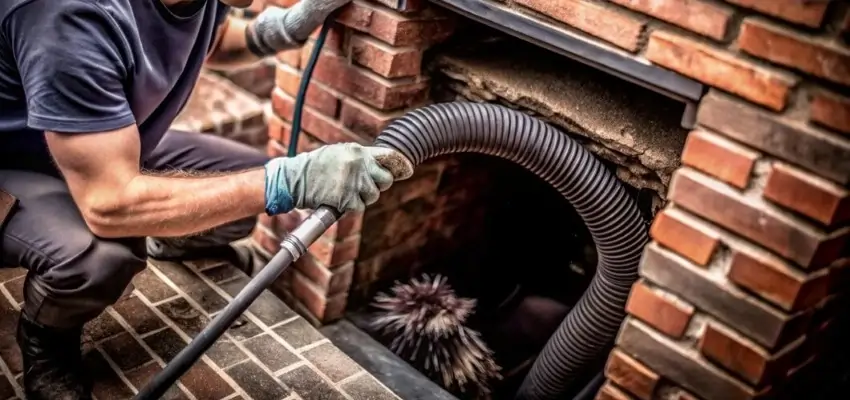
Brush, vacuum, inspect: how Chimney Cleaning works for Burnaby fireplaces
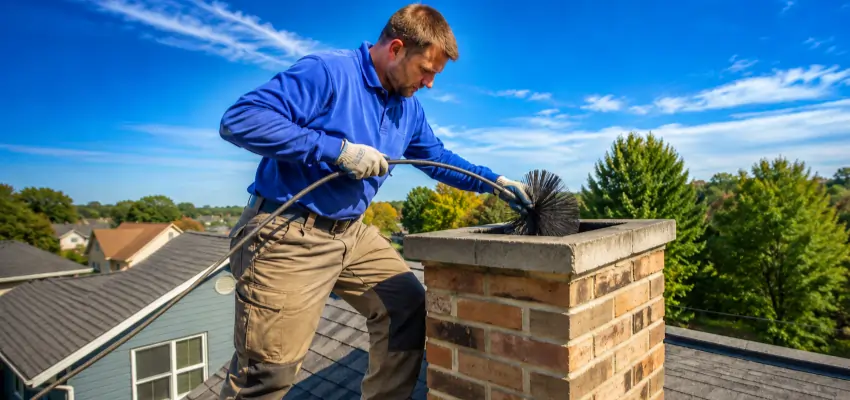
Your Burnaby fireplace, swept and checked: Chimney Sweep
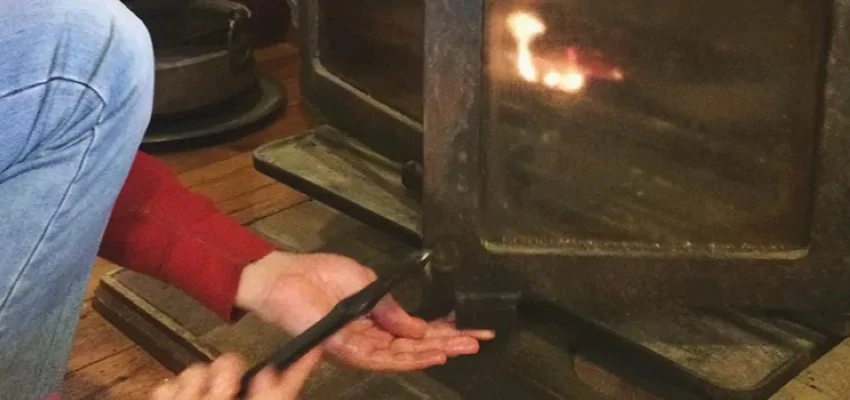
What's included in Chimney Sweep Services around Burnaby?
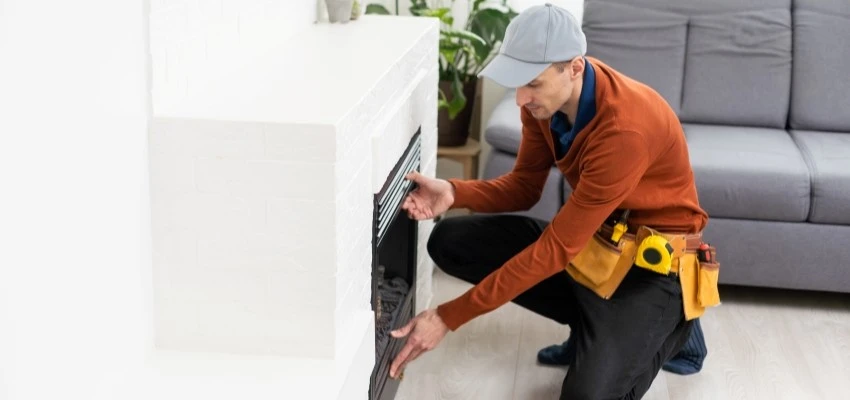
Before relighting in Burnaby, a visit from Fireplace Experts
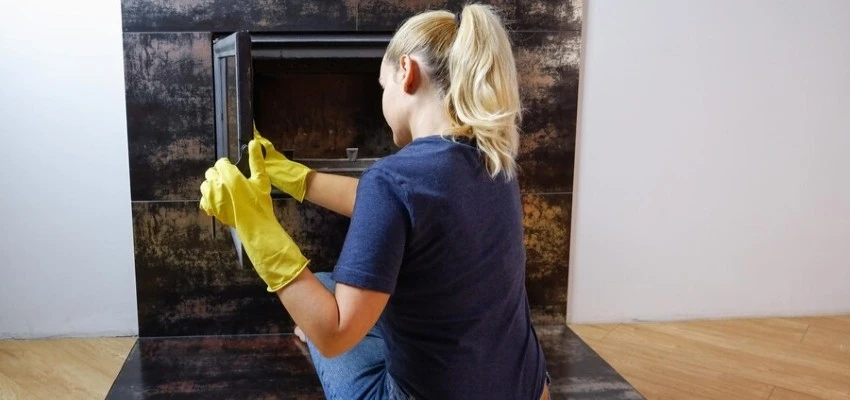
Glass cleaned without scratches: Gas Fireplace Cleaning
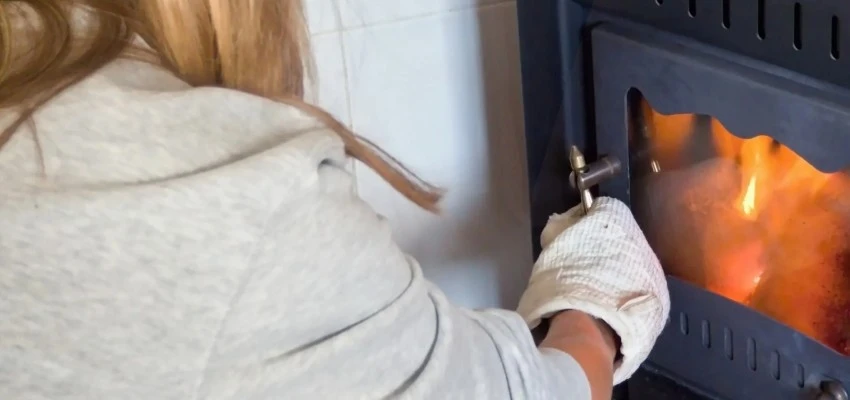
Logs, embers and vent cap included in Gas Fireplace Maintenance

