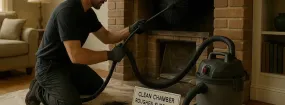
Fill in the form below with your contact details and a short note, and we will prepare a quote for Fireplace Smoke Chamber Repair Burnaby
Much of a fireplace is hidden from view. Above the opening sit the throat, the damper and the smoke chamber; around it sit the surround, the hearth and the mantel. Homeowners in Burnaby who search for “fireplace smoke chamber repair” are usually dealing with one of these areas and wondering how the others relate to it. The answers here connect the pieces and explain how smoke chamber repair fits into the bigger picture of a fireplace that is both safe and good to look at.
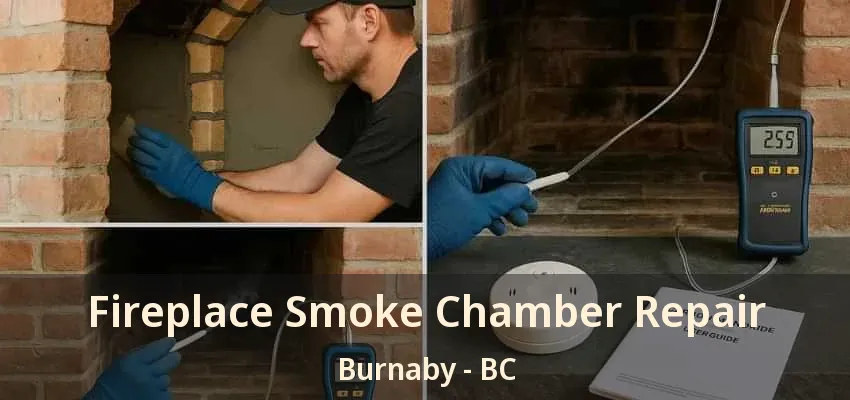
The smoke chamber is the sloped space above the damper that funnels smoke from the wide firebox into the narrower flue. Its walls should be smooth so smoke flows upward without turbulence. In many older fireplaces, the chamber was left with stepped bricks and rough mortar, and over time that mortar can erode or crack. The result can be poor draft, smoke in the room and creosote building up on rough surfaces, and gaps may let heat reach nearby framing. Because it is hidden, the smoke chamber is usually checked with a light or camera during an inspection.
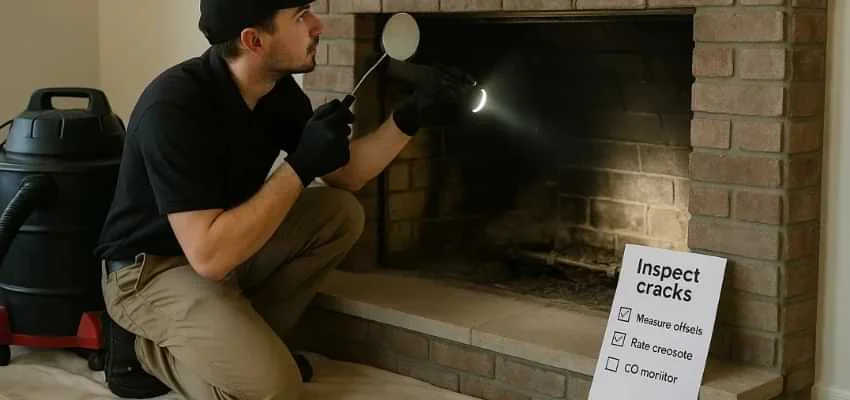
The most common signs are smoke drifting into the room, especially at the start of a fire, a smoky smell that lingers when the fireplace is off and bits of mortar or brick landing on the smoke shelf or in the firebox. Heavy creosote above the damper, visible with a flashlight, is another clue. An inspection report may also flag a corbelled or unparged chamber. Because the area is hidden, most problems are found with a camera during a chimney inspection. If you are researching “fireplace smoke chamber repair” after a report like that, ask for the photos or video so you can see the condition yourself.
Look for cracked or missing firebricks, gaps in the mortar joints, smoke that drifts into the room, a damper that sticks or will not close, rust or flaking metal and stains or cracks on the surround or mantel. Bits of mortar or brick in the ash, a strong odor after rain and drafts when the fireplace is cold are other clues. Any of these deserves a professional look, ideally before the next fire. Many homeowners also have the fireplace checked once a year, which catches small problems while they are still simple to fix.
We protect the room with floor coverings, sealed openings and a contained work area, and the setup takes time on purpose because masonry dust travels. The floor is covered from the door to the hearth, plastic is taped around the fireplace opening and, for messy demolition, we build a small enclosure so dust stays in one spot. Cutting is done with dust collection where the tools allow, and mixing happens outside or on protected ground. At the end of each day we vacuum and tidy. Some fine dust can still escape on a demolition day, but it should be minor.
No, they treat different sections. The smoke chamber sits between the damper and the flue, while a chimney liner runs up the flue itself to the top of the chimney. A cracked flue tile or an unlined flue calls for relining; rough or eroded chamber walls call for parging or rebuilding the chamber. Some homes need both, and doing them together saves a second setup. An inspection with a camera shows which parts are affected. When you request smoke chamber repair quotes, check that each one says clearly which section is included, so you are comparing the same work.
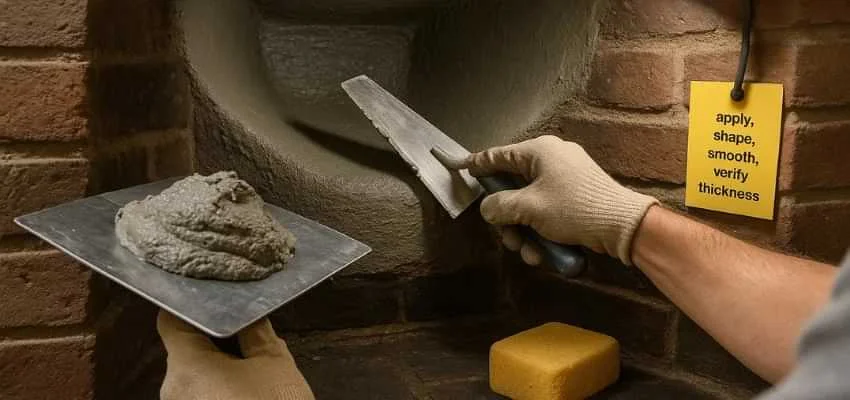
A damaged smoke chamber is usually repaired by cleaning it, resetting any loose bricks and coating the walls with a heat-resistant mortar, a process called parging. The coating fills the steps between bricks and seals cracks, leaving a smooth, sloped surface that guides smoke into the flue. The work is done from inside the fireplace and from above with specialized trowels and tools, and the result is checked with a camera. Because the surfaces must be clean for the coating to bond, a sweep comes first. The new surface then needs time to cure before the fireplace is used.
The ideal start is an empty room around a cold fireplace. We need space to set up dust protection, a route for heavy materials such as stone or a mantel and somewhere to mix or cut outside. Take down pictures or a TV mounted above the opening, since vibration from chipping can loosen them. Let us know about alarms, pets and parking. If a gas line is involved, the gas technician may need access to the meter or the basement. Final finish choices, like grout color or stain, should be settled before day one so the job does not stall.
Not safely, beyond the basics. We often find homemade repairs inside fireboxes: hardware-store mortar that has already crumbled, silicone smeared into joints and bricks set without proper bonding. Those fixes usually have to come out before the real repair can start, which adds work. What helps us most is a homeowner who watches for changes, keeps ash from piling up against the walls, avoids roaring fires and calls when something looks different. A yearly inspection then takes care of the parts you cannot see, such as the smoke chamber and the back of the damper.
Local contractors know the housing stock, the common fireplace designs and the suppliers nearby, which makes planning and follow-up easier. Builders in the same neighborhoods often used similar fireboxes, dampers and surrounds, so a company that works the area has usually seen your setup before. Nearby crews can also return quickly when a project spans several visits for curing or materials. Before hiring, confirm the company works in your area directly, ask for local examples of similar work and check how it handles questions after the job is done.
Kids, pets and work schedules all matter when someone visits your home. Let us know what to work around and we will plan the appointment to match. Choose a time for smoke chamber repair anywhere in Burnaby.
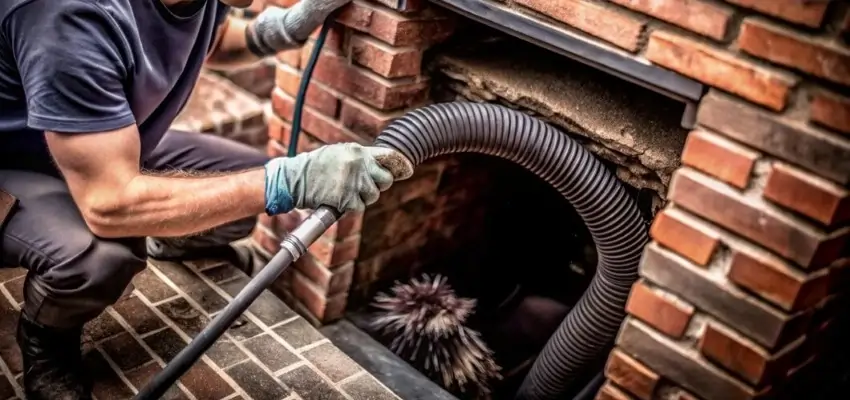
Brush, vacuum, inspect: how Chimney Cleaning works for Burnaby fireplaces
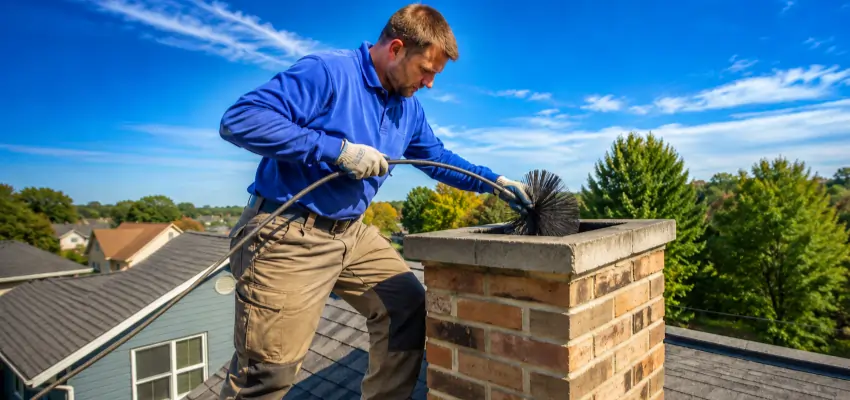
Your Burnaby fireplace, swept and checked: Chimney Sweep
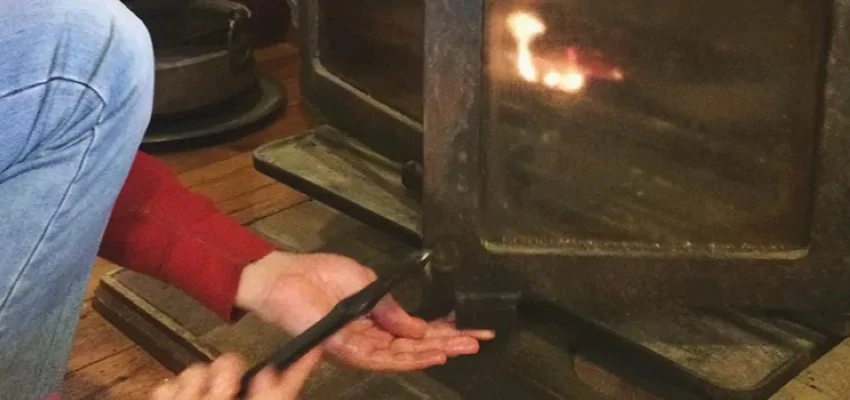
What's included in Chimney Sweep Services around Burnaby?
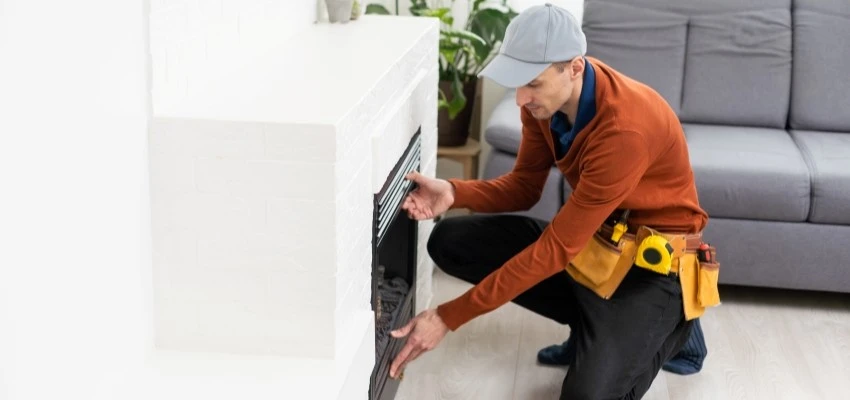
Before relighting in Burnaby, a visit from Fireplace Experts
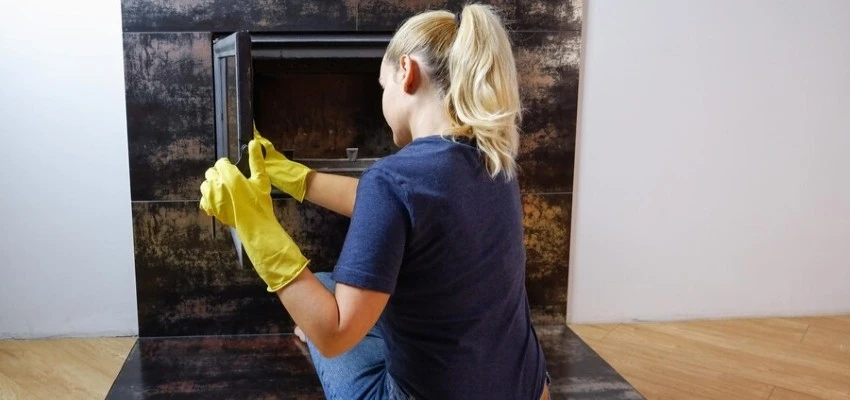
Glass cleaned without scratches: Gas Fireplace Cleaning
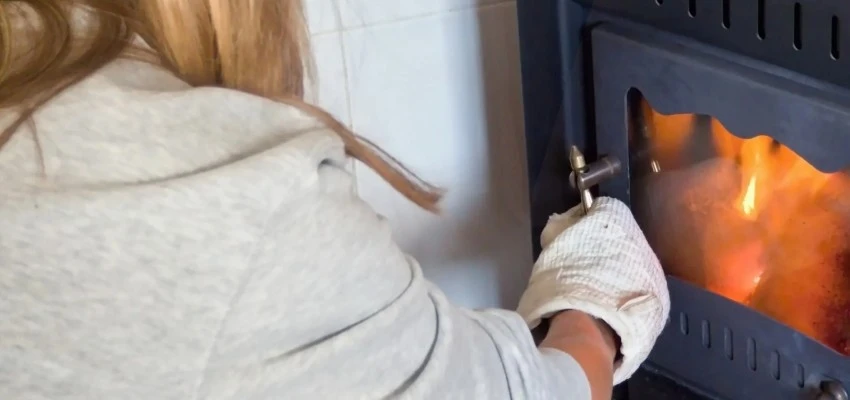
Logs, embers and vent cap included in Gas Fireplace Maintenance