
Fill in the form below with your contact details and a short note, and we will prepare a quote for Fireplace Vent Cleaning Burnaby
Plenty of people around Burnaby inherit a fireplace or wood stove along with a house and have no idea when anyone last looked at it. Typing “fireplace vent cleaning” into a search bar is a sensible first move. The questions below are the ones homeowners raise most often about fireplace flue cleaning, answered in plain language and with the reasoning behind each answer, so you can judge what applies to your home and what does not.

They are two different jobs, and we usually do them in the same visit. Sweeping is physical work: brushes and a vacuum clear the flue and everything between it and the fire until the surfaces are clean. Inspecting is looking and judging: we check for cracked flue tiles or firebrick, open mortar joints, a damper that no longer seals, a missing cap and combustible trim sitting too close to the heat. Doing both at once makes sense, because a freshly brushed flue reveals defects that a coated one conceals. The inspection notes are what tell you whether the fireplace is ready for the season.
Regular care catches problems that build slowly and out of sight, and a fireplace that has gone years without a visit shows exactly that pattern. The flue carries a crust of creosote, the cap is clogged with leaves or missing, and joints in the firebox have eroded from repeated heating. None of it happened overnight, and most of it would have been a simple fix earlier on. Neglect also hides things like a cracked flue tile or a rusted damper, which only show up when someone looks. Routine service is really about knowing the condition of a system you trust with an open flame indoors.
The chimney is the main part of any cleaning we do, and the firebox is only the starting point. Soot settles on every surface the smoke touches, from the damper or stove outlet all the way up to the cap, and the heaviest deposits usually sit just above the fire, where the gases first cool. We brush that entire path, pull the debris down into a contained vacuum, then clear the firebox and the hearth. When a company only scoops ashes and wipes the doors, the part that matters for safety has been skipped, and the next fire runs through the same dirty flue.
On a wood-burning fireplace, the vent is the flue: the passage inside the chimney that carries smoke and gases outdoors. In a masonry chimney it is usually lined with clay tiles or a metal liner; in a factory-built fireplace it is an insulated metal pipe designed for that unit. Some fireplaces also have a small outside air vent that feeds the fire. When people search for “fireplace vent cleaning”, they generally mean cleaning the flue, though the outside air vent and the chimney cap screen can collect debris too and are worth checking.
A careful sweep should leave little or no mess, because the soot is contained and vacuumed as the work happens. Expect drop cloths around the hearth, the fireplace opening or stove door sealed off and a vacuum running for much of the visit. A little fine dust can still escape when the damper is opened or stovepipe comes apart, so clear the mantel and move rugs and furniture back a few feet. If you have light carpet or upholstery nearby, mention it when booking. A good crew leaves the hearth cleaner than they found it.

Yes. Metal flues in factory-built fireplaces are usually cleaned with stiff poly brushes that match the pipe diameter, since wire brushes can scratch the inner surface and loosen joints. Care is taken not to dislodge sections or damage the cap assembly. Masonry flues lined with clay tile are often cleaned with steel brushes sized to the tile, and the smoke shelf and smoke chamber get hand cleaning. In both cases, the technician should check joints, seams and the top termination while working. Knowing your flue type helps the company bring the right tools.
One to two hours covers most cleaning and inspection visits we make, with the chimney deciding which end of that range applies. Setup and floor protection take a few minutes, brushing takes the bulk of the time, and clean-up plus a walkthrough close things out. Tall chimneys, steep roofs and several flues stretch the visit, as do thick layers that need extra passes or special tools. Repairs are their own matter: a damper handle may be fixed on the spot, while firebrick or crown work gets a separate appointment. Since time shapes the price, an accurate description up front helps everyone.
Thoroughly dry wood is what keeps a fireplace or stove burning cleanly, and dryness affects buildup more than anything else a homeowner controls. When we find heavy, tarry creosote, our first question is about the woodpile. Freshly cut logs hold a lot of water, and all of it has to steam off before the wood really burns, cooling the fire and sending sooty smoke up the flue. Species matters less than people assume; dry pine burns cleaner than wet oak. Buying wood early in the year, or checking it with a moisture meter before it goes into the fireplace, keeps sweeps light.
Choose a company that explains its work clearly, inspects before recommending repairs and puts its quote in writing. A good company asks about your fireplace or stove before the visit, protects your floors during the work, shows you photos of what it finds and separates urgent problems from optional ones. Recent reviews that mention tidiness, punctuality and straight advice are worth reading. Experience with your type of appliance, whether masonry, factory-built or a stove, matters as well. Treat pressure to decide on the spot, or alarming claims with no photos behind them, as a reason to call someone else.

We protect the work area, clean up before we leave and tell you what we found in words that make sense. You end the visit knowing the state of your fireplace. Book fireplace flue cleaning with Chimney Sweep Burnaby when it suits you.
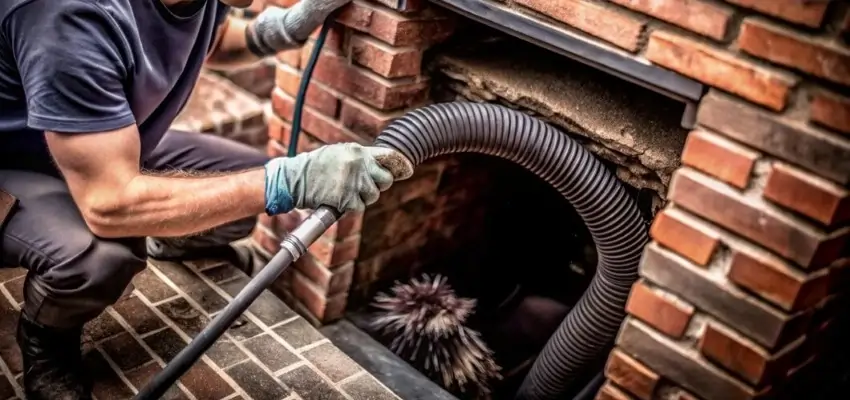
Brush, vacuum, inspect: how Chimney Cleaning works for Burnaby fireplaces

Your Burnaby fireplace, swept and checked: Chimney Sweep
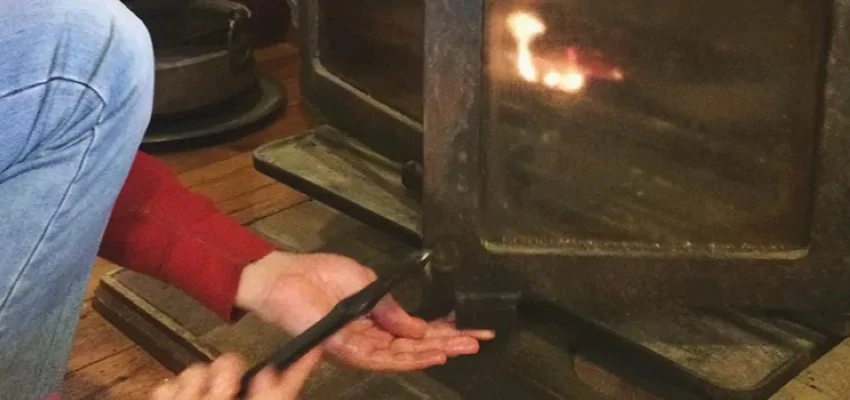
What's included in Chimney Sweep Services around Burnaby?
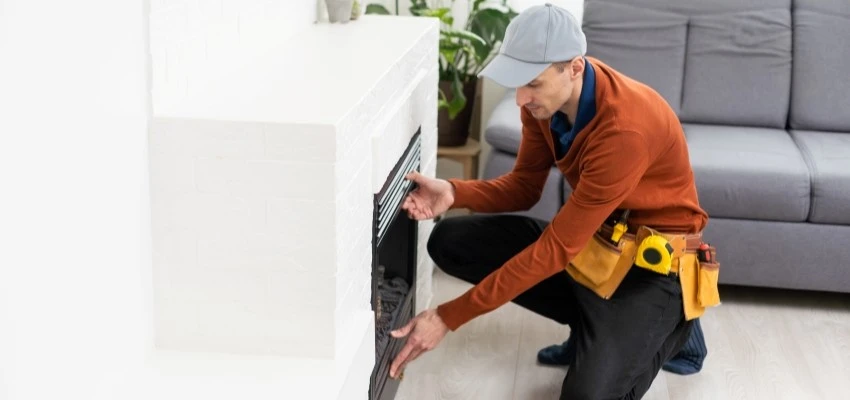
Before relighting in Burnaby, a visit from Fireplace Experts
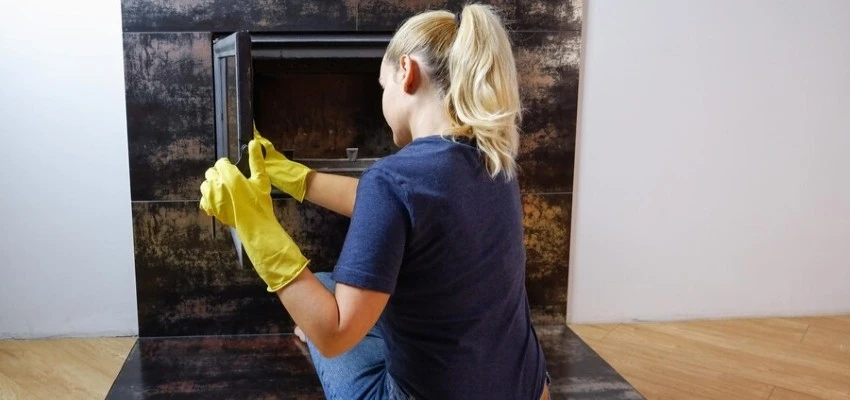
Glass cleaned without scratches: Gas Fireplace Cleaning
Logs, embers and vent cap included in Gas Fireplace Maintenance

