
Fill in the form below with your contact details and a short note, and we will prepare a quote for Fix Blocked Chimney Burnaby
Some of the most useful chimney conversations happen after the tools are packed, when the owner finally asks what they have always wondered. This page puts those questions up front. If you searched for “fix blocked chimney” in Burnaby, you will find how blocked chimney clearing is usually approached, what differs from one flue to the next and where your own observations can help the technician do a more thorough job.

A chimney needs sweeping because every fire leaves deposits inside the flue, and if they are never removed they turn into a fire hazard and an obstruction. The main culprit is creosote, a tarry residue from wood smoke that burns hot and fast once it ignites. Buildup also narrows the passage, so smoke drifts back into the room and fires get harder to start. A swept flue drafts better, smells less and gives whoever cleans it a clear view of the liner, damper and cap, which is often how cracks, rust and loose parts are caught while they are still small.
Most chimney blockages come from nests, wind-blown leaves and twigs, creosote that has flaked off and piled up, or pieces of brick and flue tile that have broken loose, and they show up as smoke spilling into the room and fires that will not draw. You may also see debris dropping onto the grate, smell soot when nothing is burning or hear a CO alarm if a gas appliance shares the flue. A missing or damaged cap makes all of this more likely. Stop using every appliance connected to that chimney until it has been checked, since a blocked flue sends smoke and carbon monoxide back indoors.
A chimney that blocks again and again usually has an underlying cause that was never fixed. The most common is a missing or poorly fitted cap, which lets leaves, nests and animals in repeatedly. Overhanging branches feed debris into the opening. A deteriorating liner sheds tile pieces or mortar into the flue, and heavy creosote can flake off in sheets if burning habits stay the same. Clearing it each time deals only with the symptom. If you searched for “fix blocked chimney” hoping to solve it for good, ask the technician what caused this blockage and what would stop the next one.
A blocked chimney is cleared by first finding where the obstruction sits, often with a camera, and then breaking it up and removing it with rods, retrieval tools and a strong vacuum, working gently enough to protect the liner. Some blockages come out through the fireplace or stove opening; others are easier to reach from the roof. Once the flue is open, it is swept and checked again, because whatever caused the problem, such as a broken tile or a missing cap, still needs fixing. Avoid poking at a blockage yourself with poles or a hose, which can jam it tighter or crack the flue.
We ask owners to leave the appliance off until we have cleared the flue, even when a fire seems to burn normally. A partial blockage is deceptive: on a mild day the draft may carry most of the smoke, then on a cold or windy night it fails and the room fills. We also see cap screens clogged solid with creosote, especially above wood stoves, which chokes the draft without any nest or debris inside. Nests above the damper can catch fire from below. While you wait, keep the damper shut so nothing falls into the room, and note any smells or sounds to tell us when we arrive.

You can handle simple upkeep yourself, but the sweeping is usually a job for a professional, and creosote sweeping logs only loosen some deposits rather than replacing a real cleaning. Safe tasks include removing cold ashes, keeping the hearth clear, looking up the flue with a flashlight when the fire is out and checking the cap from the ground with binoculars. Full sweeping means roof work, brushes matched to the liner and a way to contain soot indoors, and it skips the inspection a trained technician does at the same time. Leave anything involving the liner, masonry or gas parts to professionals.
Your part is mostly to stop using it and gather clues. Do not light the fireplace or stove; if a furnace or water heater vents into the same chimney, mention it right away when you call and keep your carbon monoxide alarms working, and leave gas valves, burners and appliance settings to a qualified gas technician. Keep the damper shut if you suspect an animal. From the hearth, a flashlight can show whether debris is sitting on the smoke shelf. From the ground, check whether the cap is missing or damaged. Resist pushing poles up the flue. People who search “fix blocked chimney” sometimes make things worse by forcing debris tighter.
A useful chimney report lists what was checked, the condition of each part and what the technician recommends, all in plain language. Expect the date, the type of appliance and flue, and notes on the cap, crown, flashing, liner, smoke chamber, damper and firebox. Photos or video stills should back up anything described as damaged. Recommendations are most helpful when they are ranked: what affects safety now, what should be planned soon and what to watch. Keep each report with your property records, since it helps when comparing repair quotes, tracking changes over the years and answering questions when you sell.
If the sweep finds damage, ask to see it, ask what it means for safety and get a written quote before you agree to anything, since a sound recommendation can always be shown and explained. Photos or camera footage should make the problem clear. Ask whether the fireplace or stove can be used in the meantime, and which repairs are urgent and which can be planned. Common findings include a cracked crown, loose flashing, a rusted damper, a missing cap or cracked flue tiles. For larger jobs, such as relining, a second opinion is reasonable. Avoid deciding under pressure on the doorstep.

Most problems with your chimney start small and grow when they are left alone for a few seasons. If something on this page sounded familiar, have it checked while it is still minor. Call Chimney Sweep Burnaby at (778) 601-5965 to arrange a visit in Burnaby.
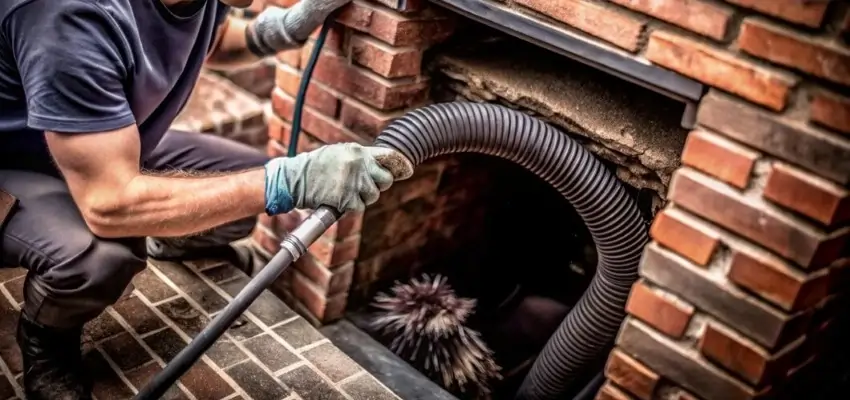
Brush, vacuum, inspect: how Chimney Cleaning works for Burnaby fireplaces
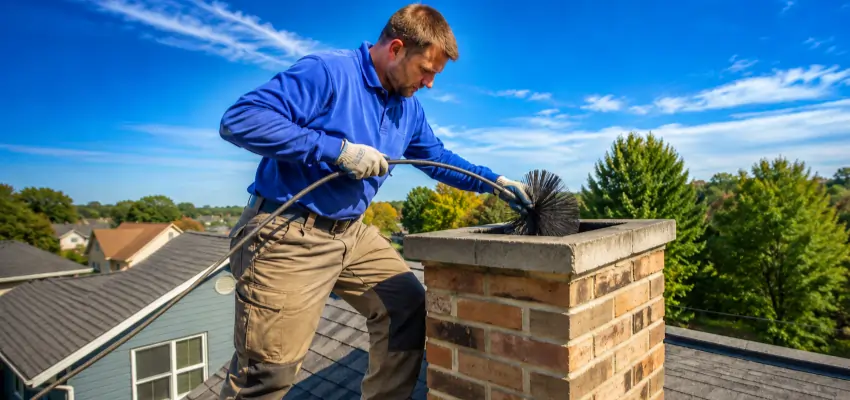
Your Burnaby fireplace, swept and checked: Chimney Sweep
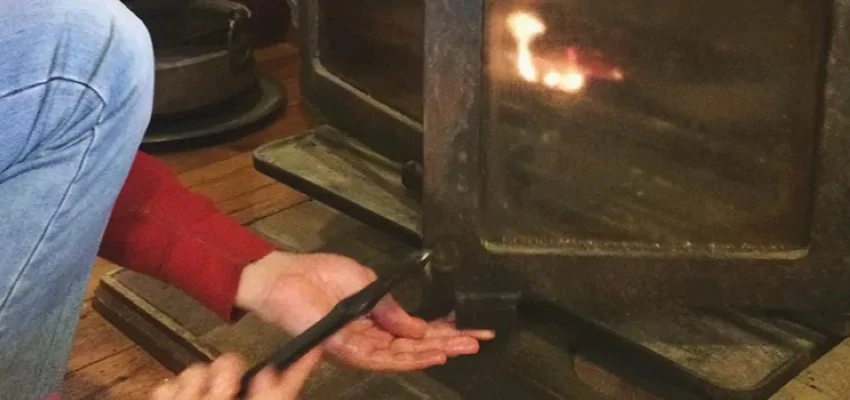
What's included in Chimney Sweep Services around Burnaby?
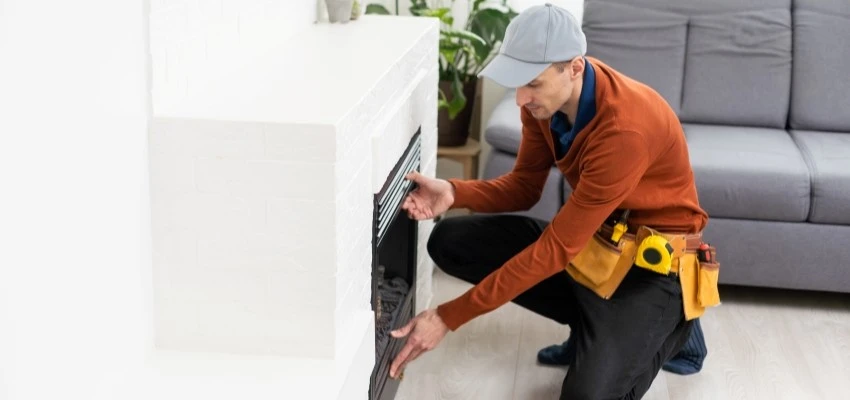
Before relighting in Burnaby, a visit from Fireplace Experts
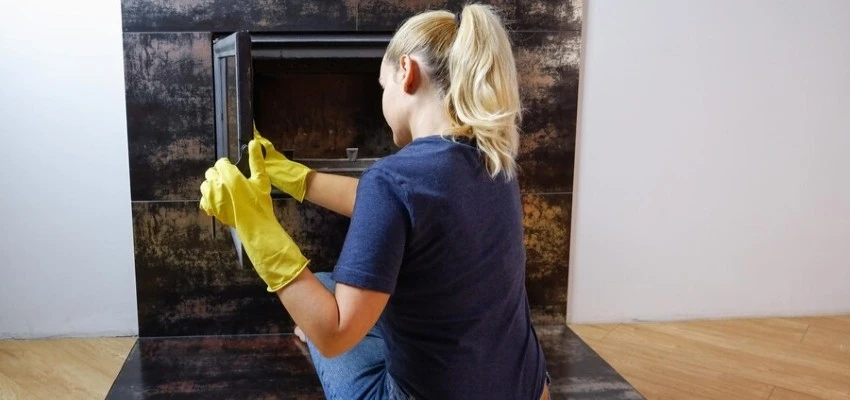
Glass cleaned without scratches: Gas Fireplace Cleaning
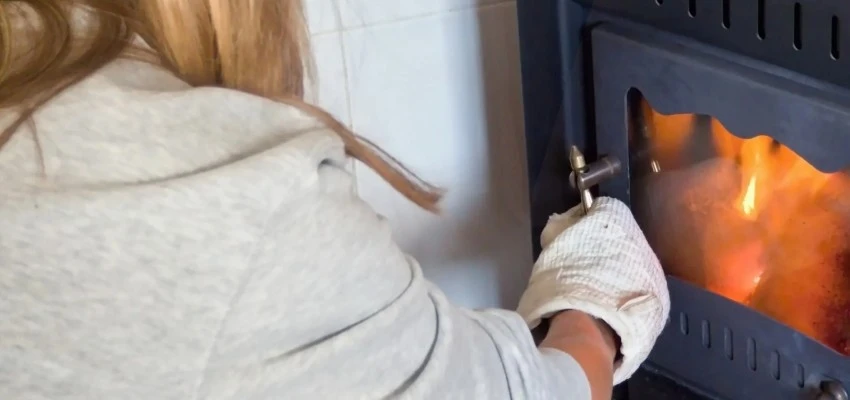
Logs, embers and vent cap included in Gas Fireplace Maintenance

