
Fill in the form below with your contact details and a short note, and we will prepare a quote for Kingsman Fireplaces Repair Burnaby
When homeowners in Burnaby search for “kingsman fireplaces repair”, they usually want three things answered: what is wrong, whether it can be fixed and what the work will involve. The answers below take those questions one at a time, for gas fireplaces, inserts and wood-burning stoves, without a sales pitch. Read the parts that match your unit and you will go into any conversation about Kingsman gas fireplace repair knowing which details matter and which ones do not.
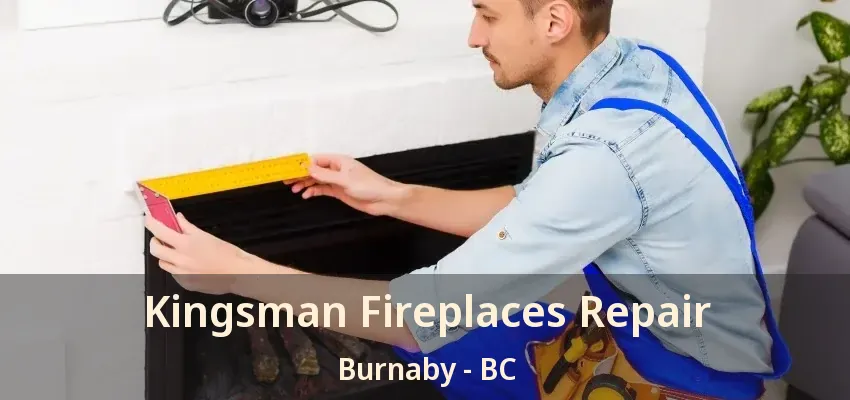
No, a dealer is not the only option. Independent technicians repair most major brands of gas fireplaces, inserts and wood stoves, because the core systems are similar from one maker to the next. What matters is that the technician identifies your exact unit from its rating label, follows the manufacturer’s installation and service instructions and uses the replacement parts those instructions call for. Dealers mainly sell and install new equipment, and some also offer service, but the choice of who works on your fireplace is yours. Ask anyone you call which types of units they handle and how they source parts.
A pilot that will not stay lit usually points to a weak flame sensor, a pilot assembly clogged with dust or a draft problem in the venting. On many fireplaces, a small sensor called a thermocouple or thermopile sits in the pilot flame and holds the gas valve open; when it wears out or the flame no longer reaches it, the valve shuts. Low gas supply and a blocked vent can cause the same symptom. Leave the unit off rather than relighting it again and again, and book a technician. If you ever smell gas, leave the home and call your gas utility from outside.
A lazy, yellow or sooty flame usually means the burner is not getting the air mix it was designed for. In a direct vent unit, common causes are logs or media shifted out of position, dust and debris in the burner ports, a vent pipe that has separated or a termination outside that is partly blocked by plants, snow or a nest. Soot on the glass is the visible sign. Turn the fireplace off, keep your carbon monoxide alarms working and book a check, mentioning when the change began. Venting faults on a sealed system need a qualified gas technician, not a quick adjustment.
Most branded fireplaces wear out in predictable places, whatever name is on the front. Typical problems include:
None of these is unusual, and most can be repaired once the cause is confirmed.
A thorough gas fireplace check covers the parts that keep the flame clean and the exhaust moving outdoors. Typical steps include cleaning the pilot assembly and burner, testing the ignition and flame sensor, checking gas connections for leaks and confirming the flame looks right. On sealed units, the glass is removed, cleaned and its gasket inspected. Logs or decorative media are set back in the layout the manual shows, since misplaced pieces cause soot. Outside, the vent termination should be clear of nests, plants and debris. Ask for a short summary of what was found and anything that needs attention.

A common guideline is to have a fireplace or stove serviced once a year, ideally before the heating season. Gas units benefit from a yearly look at the burner, ignition, glass and venting, and many owner’s manuals suggest that interval. Wood stoves and inserts need their chimney or liner inspected yearly and swept as often as buildup requires, which depends on how much you burn and how dry your wood is. Heavy use, a unit that sat idle for a long time or any change in how it behaves are good reasons to book sooner rather than stretch the interval.
Specific symptoms help most, along with the label information and the age of the unit if you know it. “It will not turn on” could mean no spark, a pilot that lights and drops out or a burner that never follows; each points somewhere different. Tell us whether the fireplace runs on a remote, a wall switch or a thermostat, whether it has power to it and when it was last serviced. For wood stoves, mention how the fire behaves and what wood you burn. Short videos of the startup are surprisingly useful, since they let us hear and see the sequence.
Keep it simple and stay on the outside of the unit. Dust the louvers and the area around the fireplace when it is cool, keep the outside vent cap clear of snow, leaves and plants, and replace remote batteries before the heating season. Look at the flame now and then: blue at the base with soft yellow tips is typical, while dark soot or a changing flame is worth reporting. Note anything unusual and when it started. Booking a yearly check, rather than waiting for a “kingsman fireplaces repair” search in midwinter, catches worn parts while the fireplace is still working.
After a repair, the unit should start and run normally, though a brief smell from new parts, gaskets or paint is common during the first hour or two of use. Open a window and let the fireplace run for a while to help it burn off. Ask the technician what was replaced and keep that note with your manual. Watch the flame or fire for the first few uses: it should look steady and clean, without soot on the glass. If the original problem returns or a new symptom appears, call back promptly rather than waiting for it to settle.

You can contact us just to ask whether a visit makes sense. If the answer is no, we will say so. If it is yes, we will explain why. Reach Chimney Sweep Burnaby at (778) 601-5965 for an honest opinion about your fireplace.
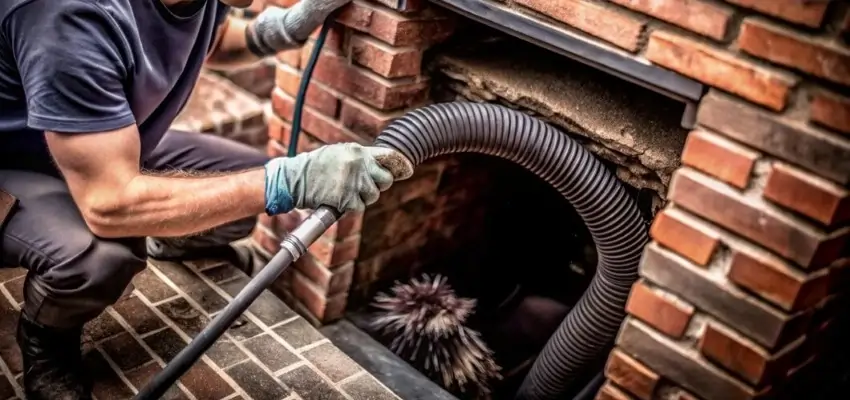
Brush, vacuum, inspect: how Chimney Cleaning works for Burnaby fireplaces
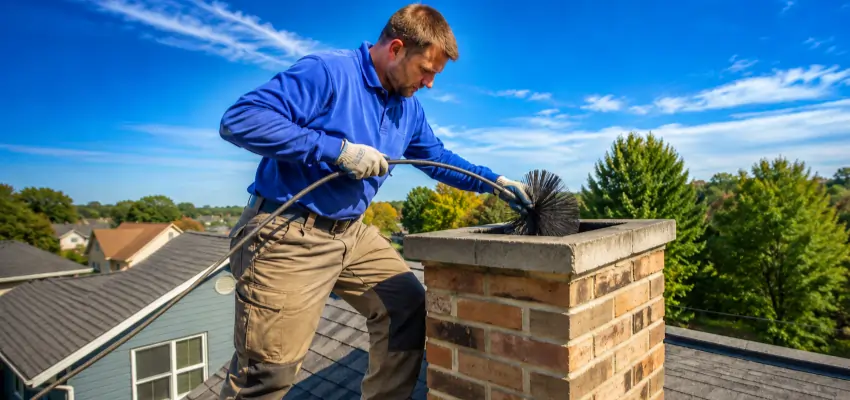
Your Burnaby fireplace, swept and checked: Chimney Sweep
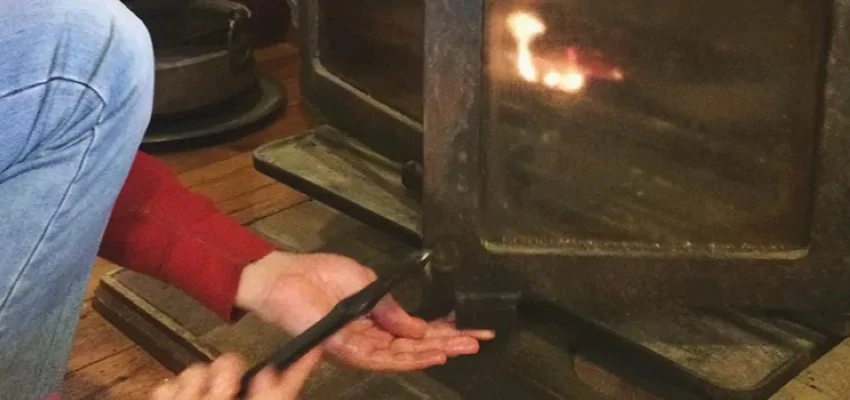
What's included in Chimney Sweep Services around Burnaby?
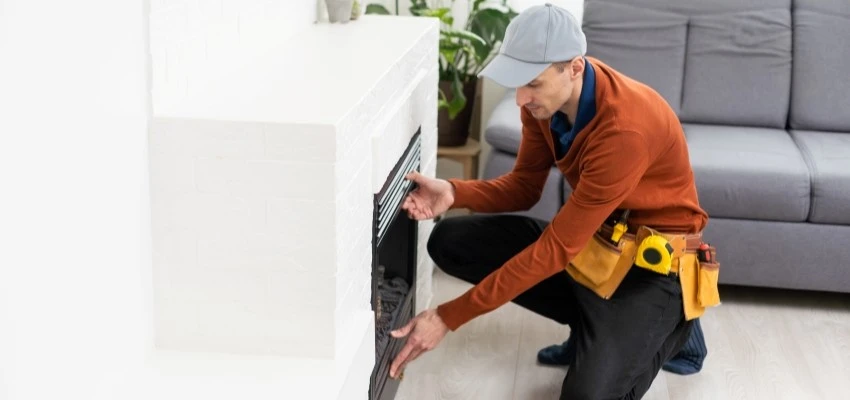
Before relighting in Burnaby, a visit from Fireplace Experts
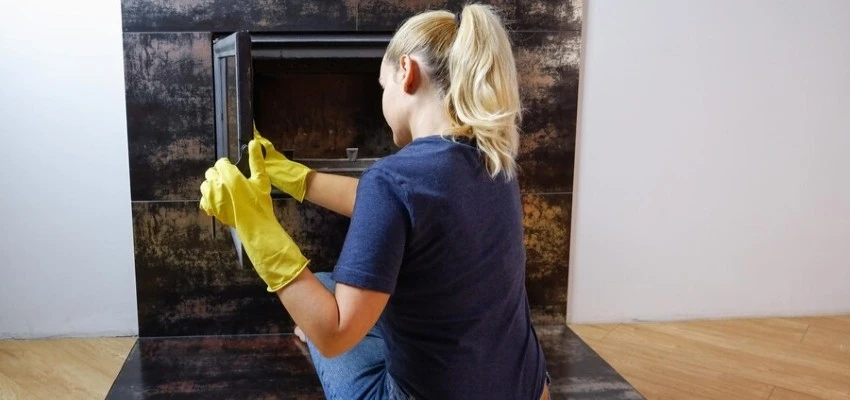
Glass cleaned without scratches: Gas Fireplace Cleaning
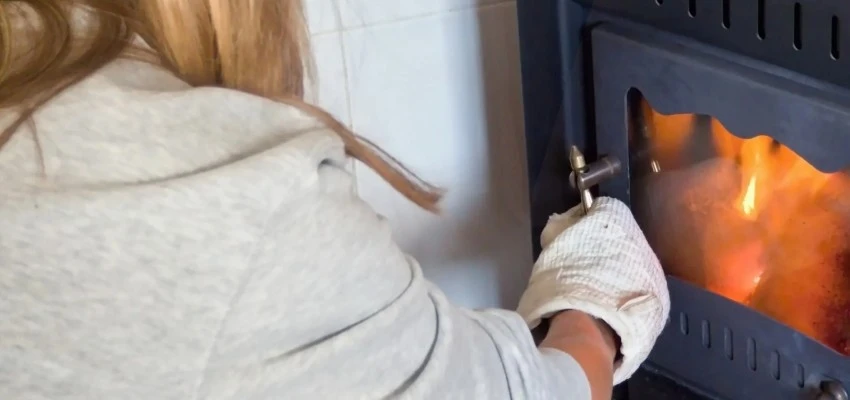
Logs, embers and vent cap included in Gas Fireplace Maintenance

