
Fill in the form below with your contact details and a short note, and we will prepare a quote for Prefab Chimney Installation Burnaby
Planning chimney work is easier when you understand what the contractor is talking about. Flue sizes, liners, pots, chases and water repellents all come up in quotes, often without much explanation. This page is for people in Burnaby who looked up “prefab chimney installation” and want straight answers about factory-built chimney installation: why it is done, how it is done and which details matter for an ordinary home.
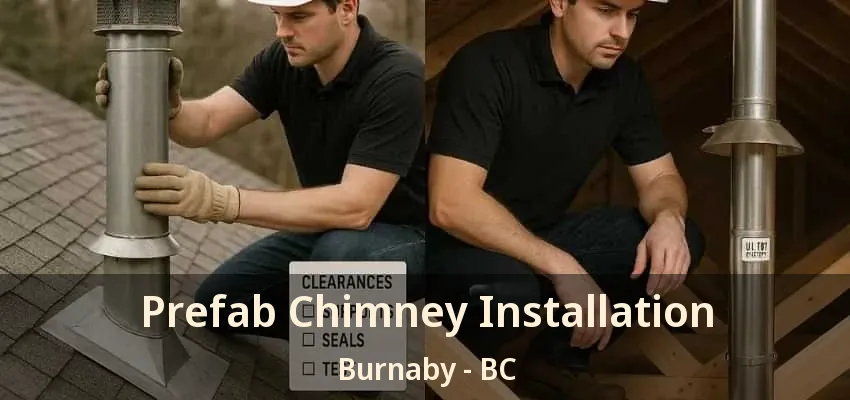
A prefab chimney is a kit that is tested as a system, which is the most important thing to know about it. The pipe, the spacers that hold it away from wood, the firestops where it passes through floors and the cap on top are all designed together, usually for a specific fireplace or stove. On the job, that means we follow the manufacturer’s instructions exactly for clearances and support, and we never mix parts from different systems. We see prefab chimneys on additions, basements and newer homes, and on houses where a masonry chimney would have been too heavy or too costly.
It depends on which side of the chimney the problem lives. Shingles, underlayment and roof decking are roofing work, and a good roofer does them well. Anything that carries smoke or heat, from the flue tiles to a prefab chimney pipe, is where chimney training matters, because mistakes there affect safety inside the house rather than just weatherproofing. We often work alongside roofers, especially during a reroof, so flashing and chimney repairs are coordinated. A company that knows its limits and says so plainly is usually the one to trust with the rest.
A prefab chimney is installed by building a continuous, compatible path from the fireplace or stove to above the roof. The installer confirms the appliance and the chimney system it is listed with, plans the route, cuts openings in ceilings and the roof, and fits firestops, supports and pipe sections with the required clearance to wood. Where the chimney leaves the house, it gets flashing, a storm collar and the matching cap, and it may be enclosed in a framed chase. Many installations take one to two days, longer when a chase must be framed and finished.
Factory-built fireplaces and chimneys are designed and tested together, so the installation instructions name the chimney system that can be used with each unit. Mixing parts from different makers, or pairing a chimney with an appliance it was not designed for, can change clearances, heat resistance and draft in ways nobody has tested. That can create a fire risk inside walls and ceilings. A careful installer checks the appliance’s documentation and nameplate before ordering parts. During factory-built chimney installation, every section, support and firestop should come from the matching system.
Many chimney jobs take a single day, while larger projects can run several days or more. Fitting a pot or cap, applying a water repellent or making a small flue repair is usually done in one visit. Relining a flue or installing a factory-built chimney often takes a full day, sometimes two. Remodeling, rebuilding or replacing large sections of masonry stretches longer, because mortar and concrete need curing time between steps. Weather can add days to any outdoor work. Ask for both the hours on site and the total span from start to finish.

Yes for some jobs and no for others, so we check the forecast before almost every one. Rain and frost are the big two: wet brick will not take a repellent, freezing nights spoil fresh mortar and icy shingles make roof work unsafe. Extreme heat can be a problem too, drying mortar too fast. That is why spring and fall are our busiest seasons for masonry and waterproofing. Liners and pots are more flexible and can often be fitted in cooler months on a dry day. If a weather window closes, we move the date, because a rushed job in poor conditions rarely holds up.
Plan the route and the finish together. Decide where the fireplace or stove will sit, then check what lies above it, such as joists, wiring, plumbing or ducts, because the chimney needs a clear path with the required space to combustible materials. Think about how it will look outside: a metal pipe with a cap, or a framed chase finished to match the siding. Ask whether a permit or inspection is required where you live. Sharing photos of the room and roof when you request quotes for “prefab chimney installation” helps the installer plan accurately.
Tell the company what the chimney is made of, what it serves and what you want done or have noticed. Mention the type of fireplace or appliance, how many stories the house has, how steep the roof is and whether the chimney is brick, stone or a framed chase. Share any history: past repairs, a chimney fire, recent roof work or a new appliance. A few photos of the chimney from the yard and of the fireplace help a lot. These details let the company bring the right parts and give you a realistic estimate.
A complete quote names the materials, sizes and steps, and when homeowners show us other offers, the gaps are usually in scope rather than price. One lists a stainless liner with insulation; another says just “liner.” One includes a new crown under the pot; another assumes the old one is fine. Check that each quote says who handles permits if any are needed and explains the plan for surprises. Then ask every company the same three questions: what is included, what is excluded and what could change the price. The answers reveal which offer really fits your chimney.

We work in the neighborhoods around Burnaby every week, so we know the housing styles and the problems they tend to have. That local experience shapes every visit. Schedule factory-built chimney installation with Chimney Sweep Burnaby at a time that suits you.
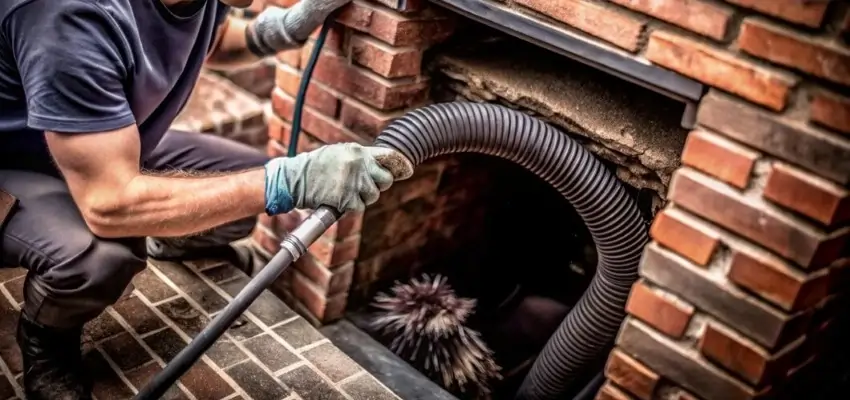
Brush, vacuum, inspect: how Chimney Cleaning works for Burnaby fireplaces
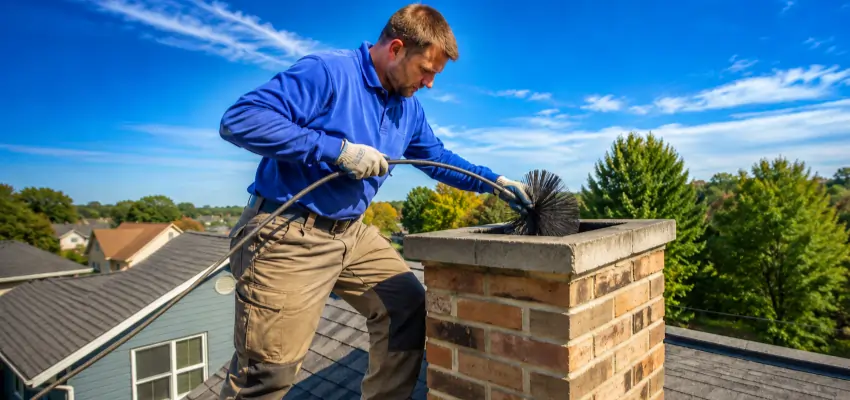
Your Burnaby fireplace, swept and checked: Chimney Sweep
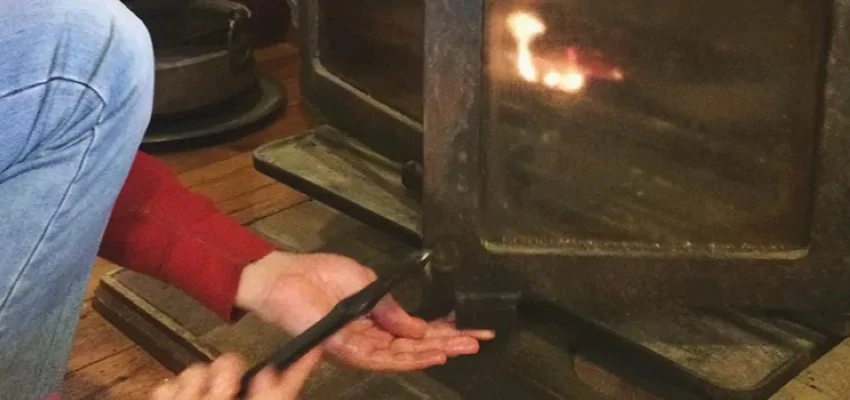
What's included in Chimney Sweep Services around Burnaby?
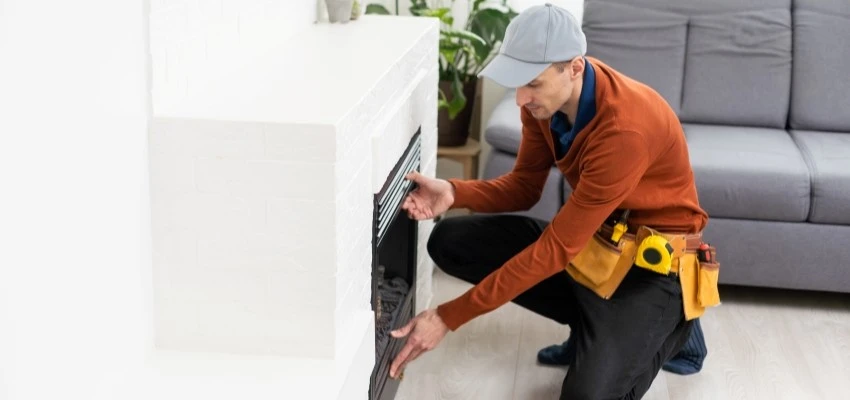
Before relighting in Burnaby, a visit from Fireplace Experts
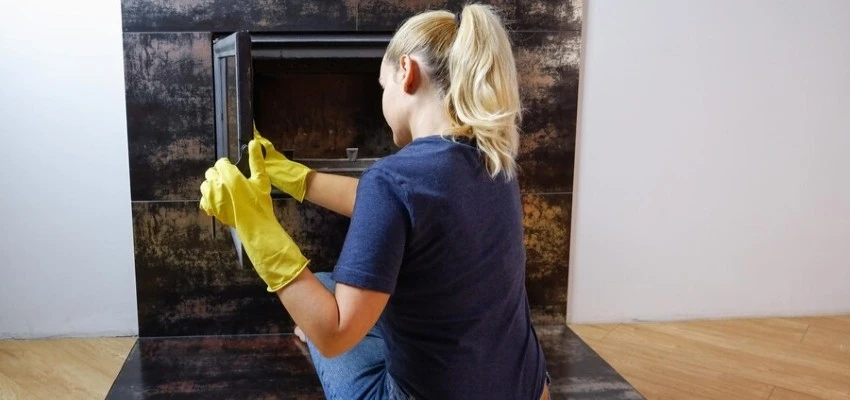
Glass cleaned without scratches: Gas Fireplace Cleaning
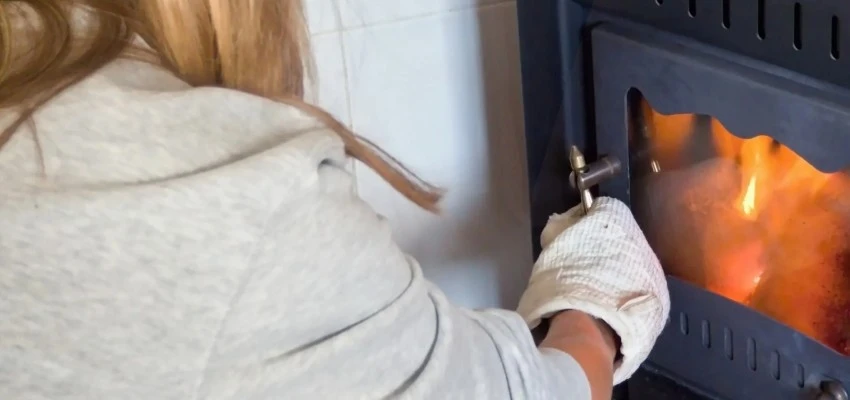
Logs, embers and vent cap included in Gas Fireplace Maintenance

