
Fill in the form below with your contact details and a short note, and we will prepare a quote for Quadra-Fire Fireplace Burnaby
Bought a house with a fireplace you have never lit? Inherited a stove with a name you do not recognize? Searching for “quadra-fire fireplace” is a reasonable first move, and this guide picks up from there. It walks through the everyday questions about Quadra-Fire stove and fireplace service that homeowners in Burnaby bring to our technicians, including how often a unit should be looked at, how long repairs take and what to have on hand when you call.
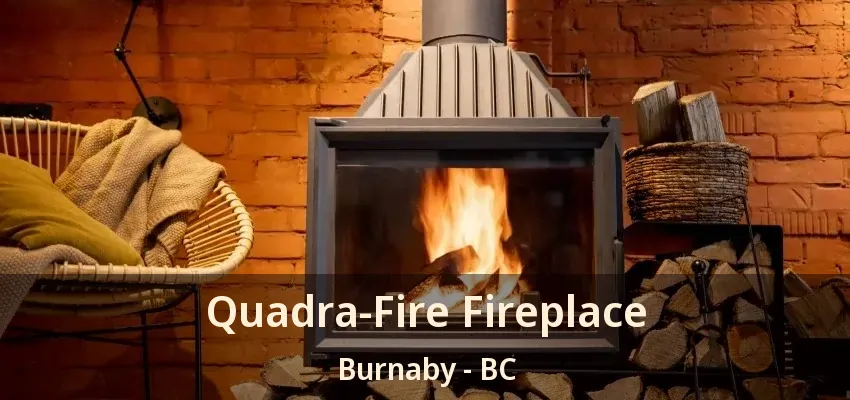
Partly. The basic systems are shared across brands: a gas unit needs a working valve, ignition, burner and vent, while a wood stove depends on tight seals, a sound firebox and a clear flue. What changes is the detail. Manufacturers place controls in different spots, use different ignition designs and specify their own replacement parts, and a single brand also changes its designs over time. That is why a careful technician starts with the model label and manual rather than guesswork. For you, the takeaway is simple: the repair approach is familiar, but the parts and steps are specific to your unit.
No, a dealer is not the only option. Independent technicians repair most major brands of gas fireplaces, inserts and wood stoves, because the core systems are similar from one maker to the next. What matters is that the technician identifies your exact unit from its rating label, follows the manufacturer’s installation and service instructions and uses the replacement parts those instructions call for. Dealers mainly sell and install new equipment, and some also offer service, but the choice of who works on your stove is yours. Ask anyone you call which types of units they handle and how they source parts.
Cloudy glass can be harmless or a clue, depending on its color. The chalky white film we see on gas fireplaces builds up gradually and mostly affects appearance, though left for years it can bake on for good. Black soot is the one we pay attention to, because carbon forms when the flame is not getting the air or gas mix it needs. That sends us to the burner ports, the log or media layout and the vent. On wood stoves, dark glass after every fire usually points to low air settings or firewood that has not dried long enough.
A stove that heats the room less than it used to is usually either burning poorly or losing heat up the chimney. In wood units, wet firewood, leaky gaskets and a dirty or damaged baffle are common reasons. In pellet units, a burn pot crusted with ash, poor-quality pellets or a dirty exhaust path choke the fire. Gas units can lose output when the burner or pilot is dirty or the gas pressure is off. Write down how the fire looks and how long it has been happening, then book Quadra-Fire stove and fireplace service so the technician can test rather than guess.
Smoke in the room comes from one of two things: a leak or weak draft. To find a leak, we close the door on a strip of paper at several points; if it slides out easily, the gasket is no longer sealing. We also look at the glass gasket and the seams where plates meet. For draft, we check the flue for creosote or a blocked cap, look at how the stovepipe is routed and ask how fires are started. A cold chimney, a tight house with exhaust fans running and damp wood can each make a perfectly good stove smoke.

A repair visit usually follows a clear sequence, starting with diagnosis. The technician asks what you have noticed, reads the model and serial label and makes sure the unit is cool and safe to open. On a gas fireplace, that means watching the ignition sequence, inspecting the pilot, burner and venting and checking connections for leaks. On a wood unit, it means looking at seals, baffles, firebricks and the flue connection. Once the cause is found, you should hear what failed, what the fix involves and whether a part has to be ordered. Simple repairs are often finished the same visit.
The most helpful thing is a cold, clear fireplace. We cannot safely open a unit that is still hot, so a gas fireplace switched off a few hours early and a stove left unlit since the day before save real time. We also need room to lay down drop cloths and set out tools, which means moving furniture, mantel décor and anything on the hearth. Outside, a clear route to the vent cap helps. If your fireplace has a wall switch, remote or thermostat, keep it handy. Pets tend to be happier in another room while panels come off.
Yes, photos often help a technician prepare and bring the right parts. The most useful ones show the rating label, the whole unit from the front, the control area behind the lower grille if it is easy to see, and the flame or fire while it is running. A short video of what happens when you try to start it can reveal a lot. For wood stoves, include the door gasket, the glass and the stovepipe. Do not remove panels or touch gas parts to get a shot. Photos cannot replace a hands-on check, but they can shorten it.
Any technician experienced with the type of unit you own, whether it burns wood, gas or pellets, can work on it by following the manufacturer’s instructions for that model. Chimney Sweep Burnaby is an independent service company with no affiliation to the brand; we identify your unit from its label and use the parts its manual lists. When you compare companies after a “quadra-fire fireplace” search, ask which fuel types they service, since pellet and gas work call for different skills from wood stove work. A clear answer and a willingness to look up your model are good signs.

A few details help us plan the right visit:
Send us your details and we will reply with next steps for Quadra-Fire stove and fireplace service in Burnaby.
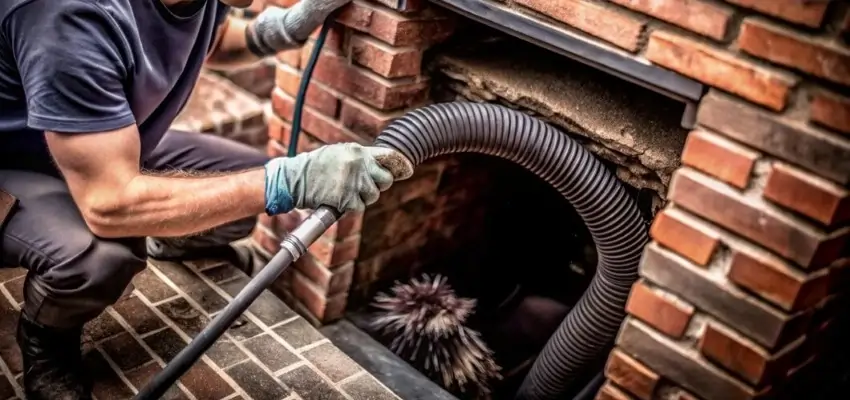
Brush, vacuum, inspect: how Chimney Cleaning works for Burnaby fireplaces
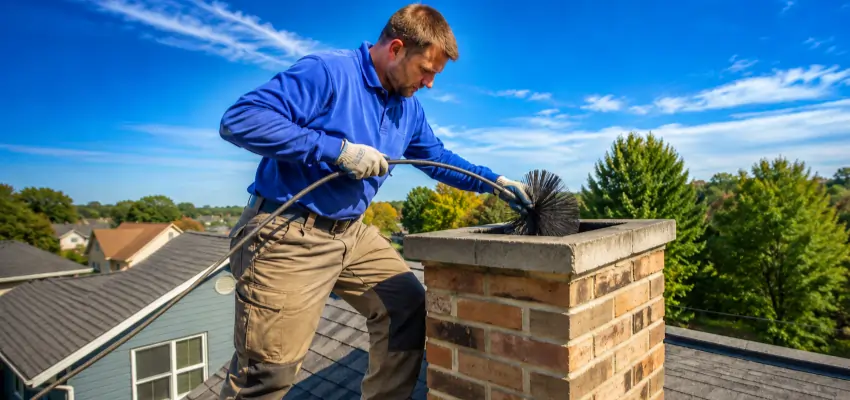
Your Burnaby fireplace, swept and checked: Chimney Sweep
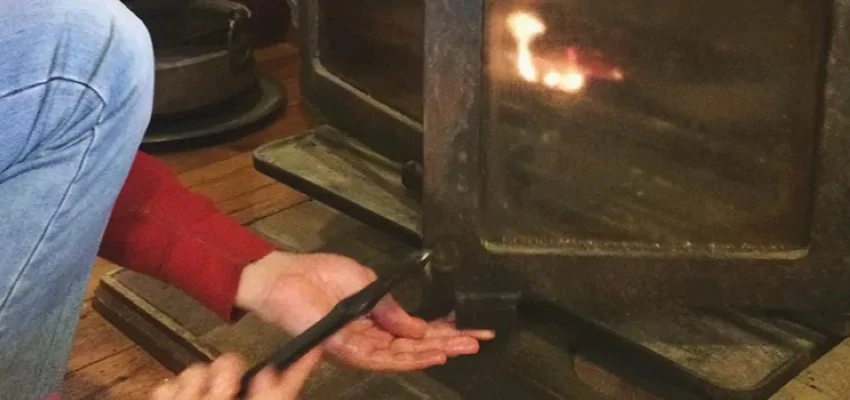
What's included in Chimney Sweep Services around Burnaby?
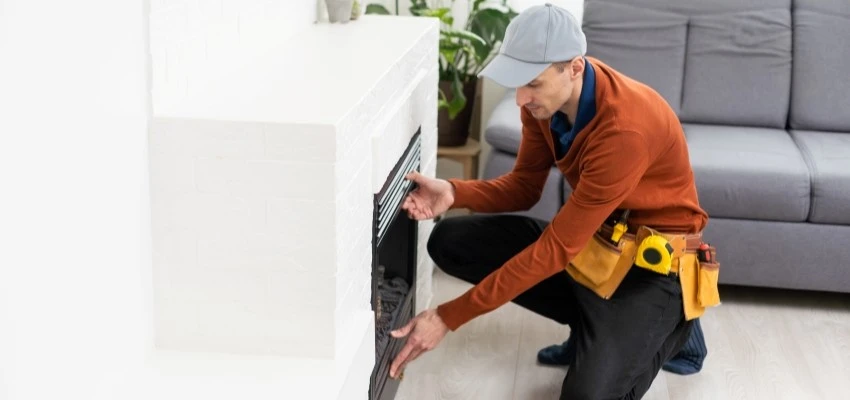
Before relighting in Burnaby, a visit from Fireplace Experts
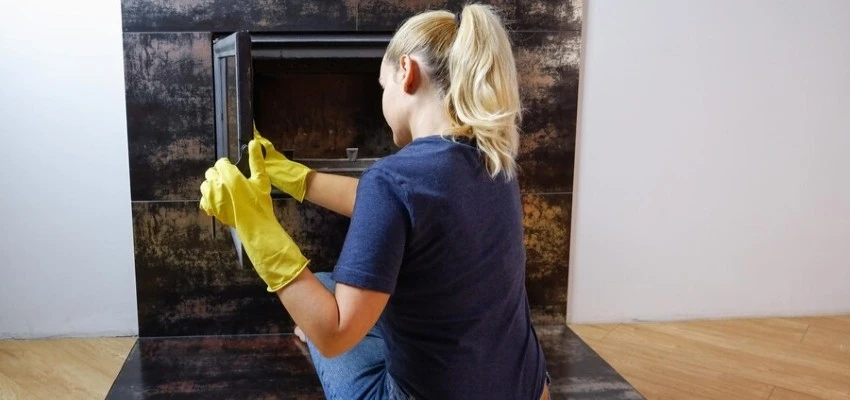
Glass cleaned without scratches: Gas Fireplace Cleaning
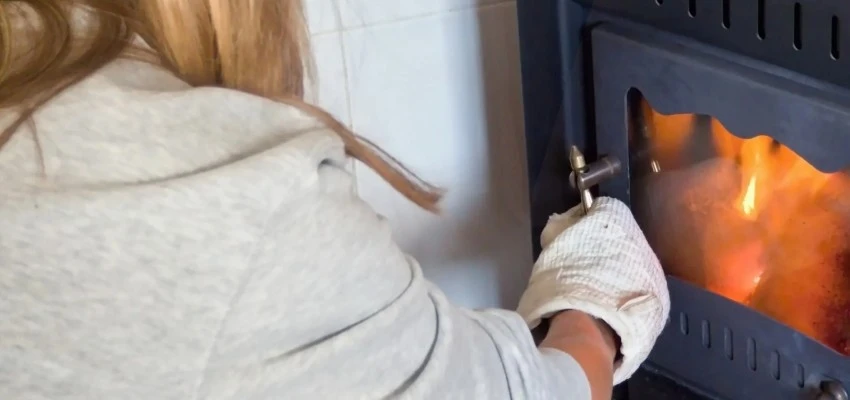
Logs, embers and vent cap included in Gas Fireplace Maintenance

